
Crafting Argentina Experiences · One Journey at a Time
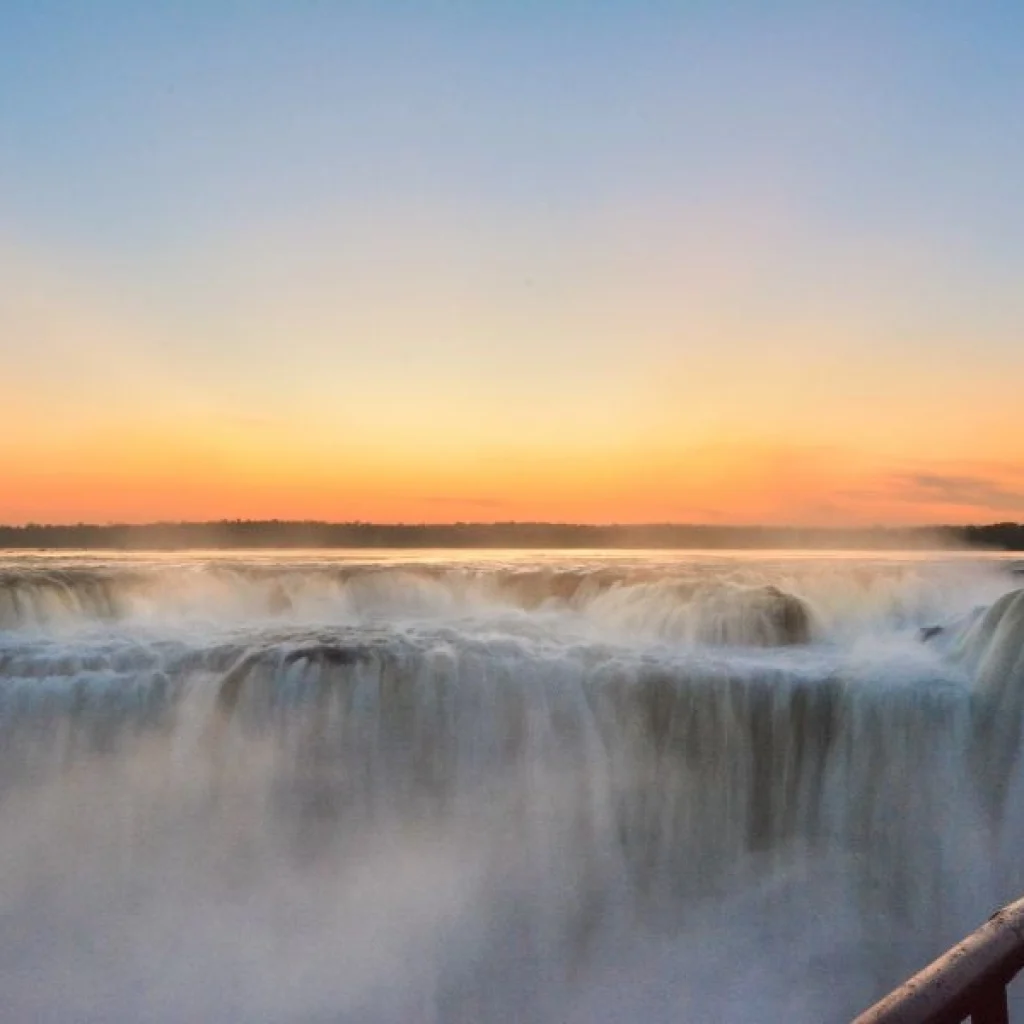
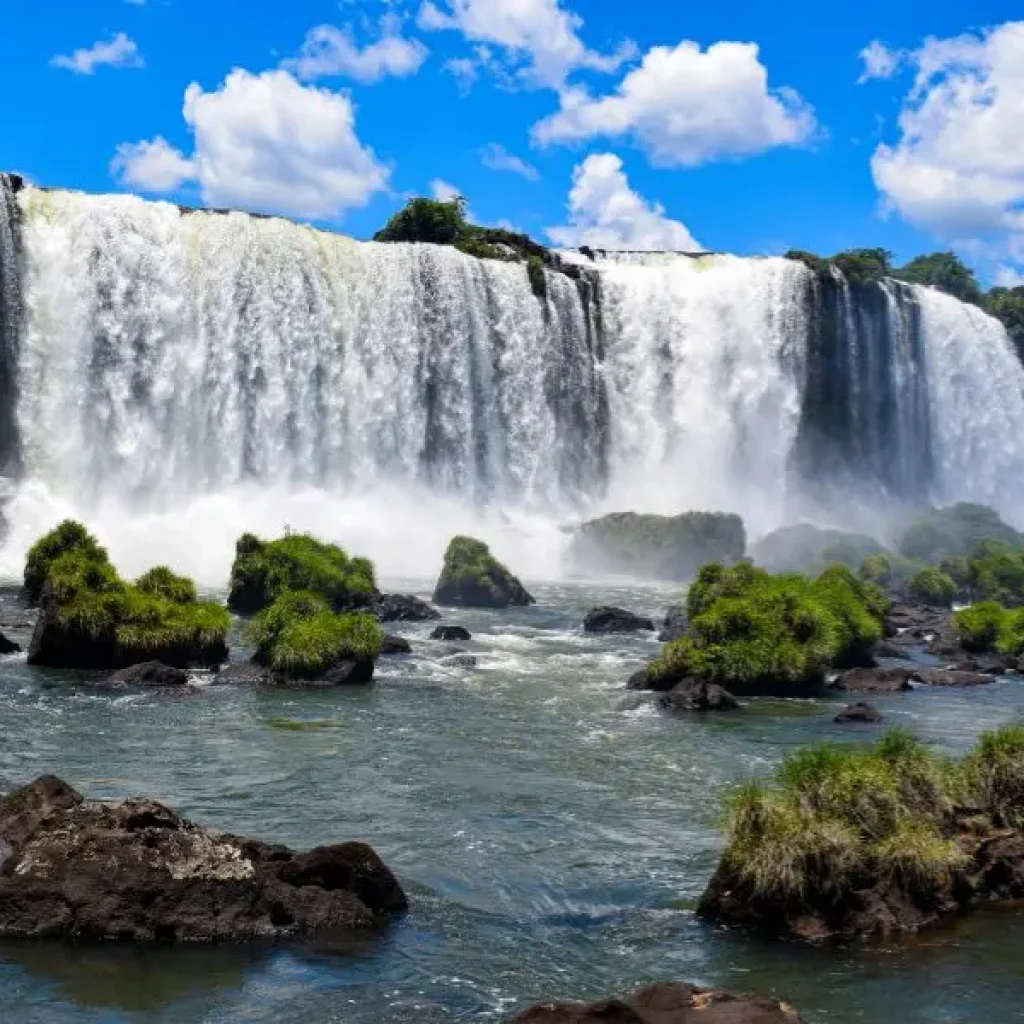
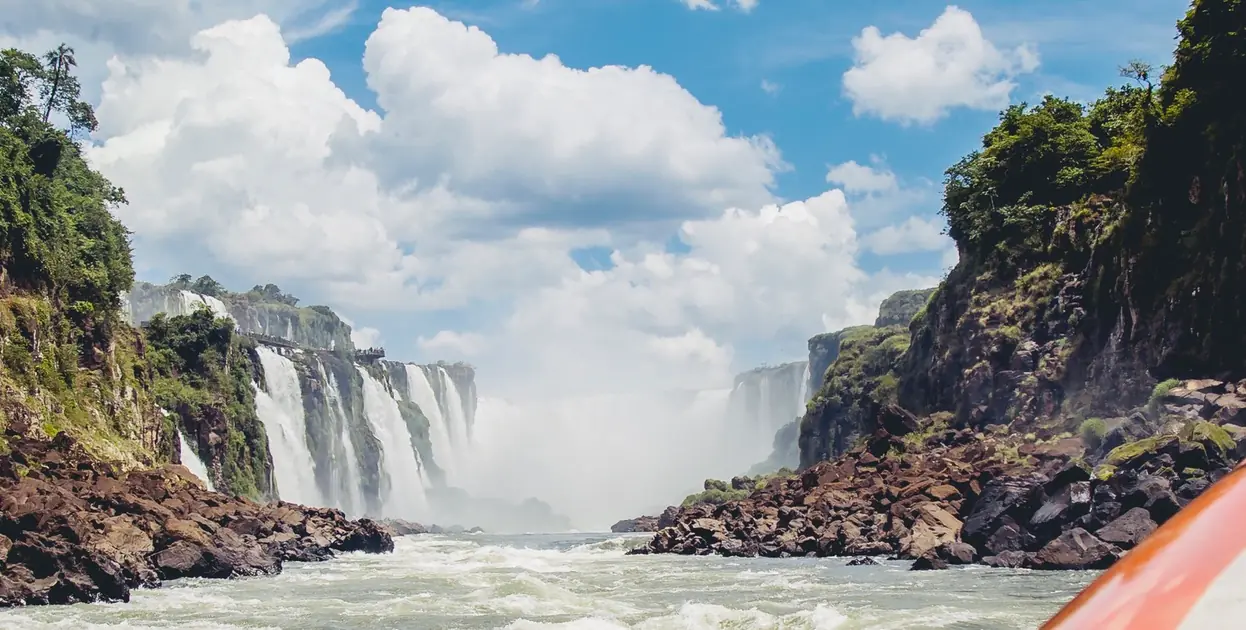
Standing at the edge of the Devil’s Throat and feeling the spray on your face — that’s the kind of moment you can’t really explain until you’ve been there. Iguazu Falls is one of those rare places that genuinely lives up to its reputation, and getting there from Buenos Aires is easier than most people think.
Our Iguazu Falls tours from Buenos Aires take care of every detail: return flights from Aeroparque or Ezeiza, transfers to the national park, guided walks on both the Argentine and Brazilian sides, and hand-picked hotels a short drive from the falls. You show up, we handle the rest. The only thing you’ll need to decide is how many days you want to spend surrounded by one of the world’s great natural wonders.
Whether you’re after a one-day dash to see the famous cataratas or a three-day immersion that includes kayaking through jungle waterways and a visit to the local wildlife sanctuary, we have a package that fits. Every trip is designed by our Argentina travel specialists, who know these routes inside out.
The easiest and most practical way to get to Iguazu Falls from Buenos Aires is by flying. The trip takes roughly 1 hour and 45 minutes from Jorge Newbery Airport (AEP, also known as Aeroparque), which sits right inside the city and saves you the long drive to Ezeiza. Several airlines operate this route daily, and most of our packages include return flights so you don’t have to search for connections or coordinate logistics on your own.
Once you land at Cataratas del Iguazu International Airport (IGR), it’s a 20-minute transfer to Puerto Iguazu town or directly to your hotel. From there, the national park entrance is another 10 minutes by shuttle or taxi. The whole journey from your Buenos Aires hotel to the falls themselves takes under three hours — which makes even a single-day trip entirely feasible.
If you prefer overland travel, direct buses connect Buenos Aires and Puerto Iguazu in approximately 18 hours (an overnight bus is a budget-friendly option, though not included in our packages). For most travelers coming from the capital, flying is the right call.
Lorem ipsum dolor sit amet, consectetur adipiscing elit. Ut elit tellus, luctus nec ullamcorper mattis, pulvinar dapibus leo.
Five routes from Buenos Aires, sorted from one day to three. The 1 h 45 min flight is common to all of them; what changes is how much of the falls you get for it.
| Trip | Days | Route | Price from | Per day |
|---|---|---|---|---|
| Classic Iguazu from Buenos Aires | 1 Day TripOut and back in a day, on the first flight and the last. The Argentine side and the Devil`s Throat. | Days1 | RouteBuenos Aires · Iguazú | Price from183 € | Per day183 € |
| Day Trip to Iguazu from Buenos AiresThe same day at the top service level, with private guiding and the park entered at opening. | Days1 | RouteBuenos Aires · Iguazú | Price from713 € | Per day713 € |
| Classic Iguazú | 2 Day TripTwo days, which is what both sides of the falls actually need: Argentina one day, Brazil the next. | Days2 | RouteBuenos Aires · Iguazú · Brazil side | Price from556 € | Per day278 € |
| 3 Days – Adventure in Iguazu FallsThree days at the lowest price here, with the Great Adventure boat added to both sides. | Days3 | RouteBuenos Aires · Iguazú · Brazil side | Price from392 € | Per day131 € |
| Misiones: Luxury Iguazú Falls | 3 Day TripThree days from a jungle lodge, with the park before the day visitors and the forest after them. | Days3 | RouteIguazú · Misiones jungle | Price from1.763 € | Per day588 € |
Prices are per person, from, for the 2026 to 2027 season. Per day is a comparison aid, not how the trip is billed. Every itinerary is tailor-made and quoted individually.
Everything on this page starts and ends at Aeroparque. The only decision that matters is how many nights you give the falls, and each answer has its own page.
First flight out, last flight back, and the Argentine side in between. It works, it is tiring, and it leaves the Brazilian panorama unseen.
When the calendar allows nothing else
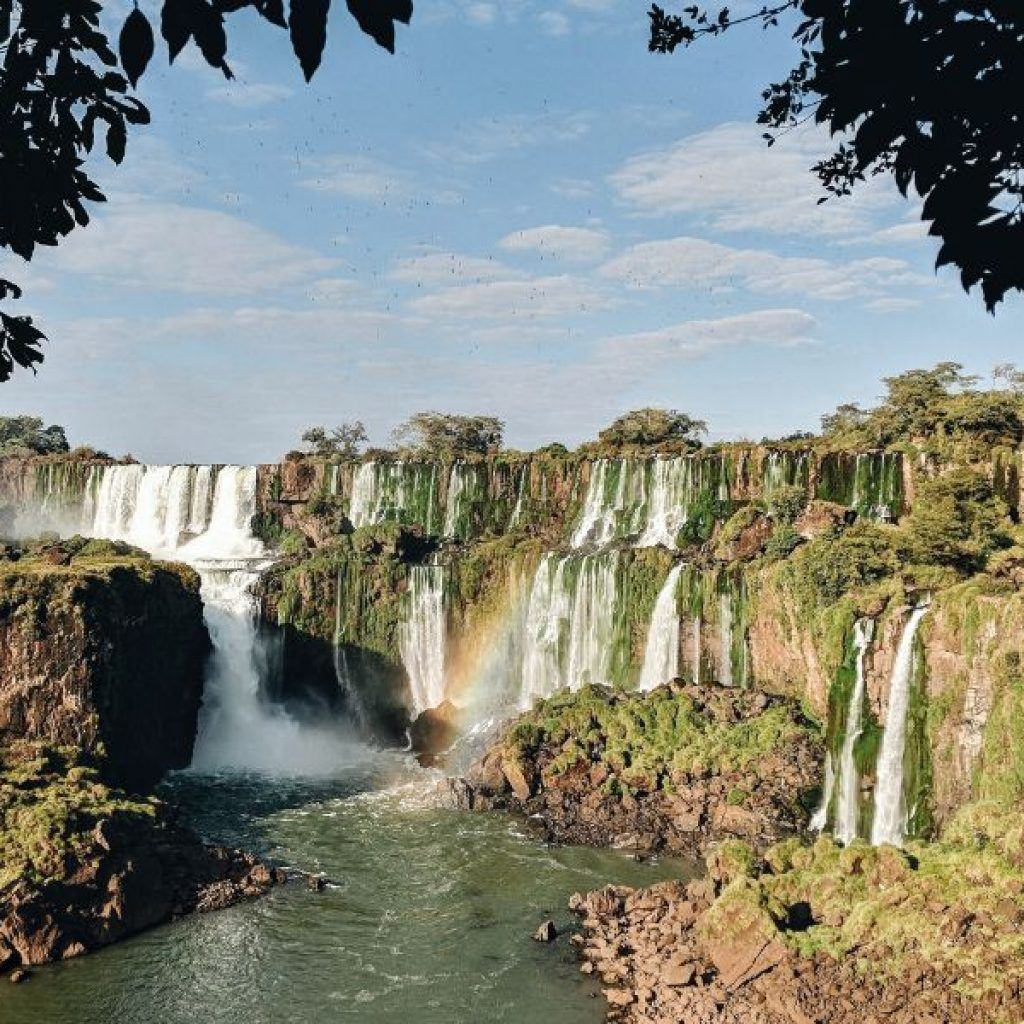
About 80 percent of the falls sit on the Argentine side; the full panorama is the Brazilian one. Two days is the first length where you see both without rushing either.
What we recommend for a first visit
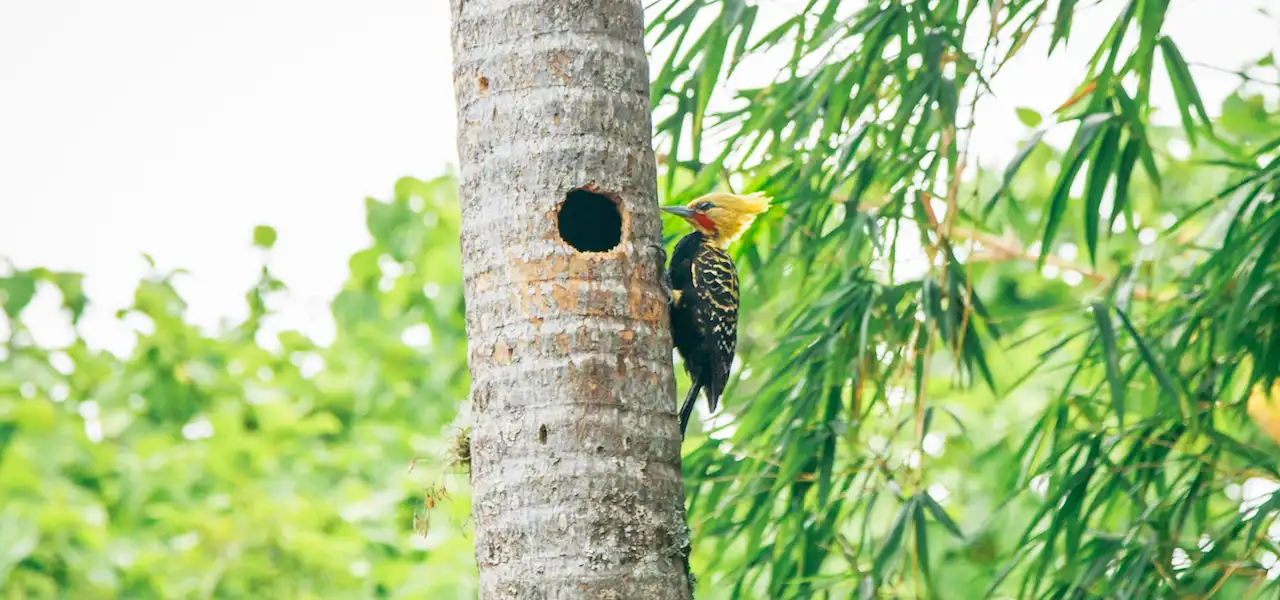
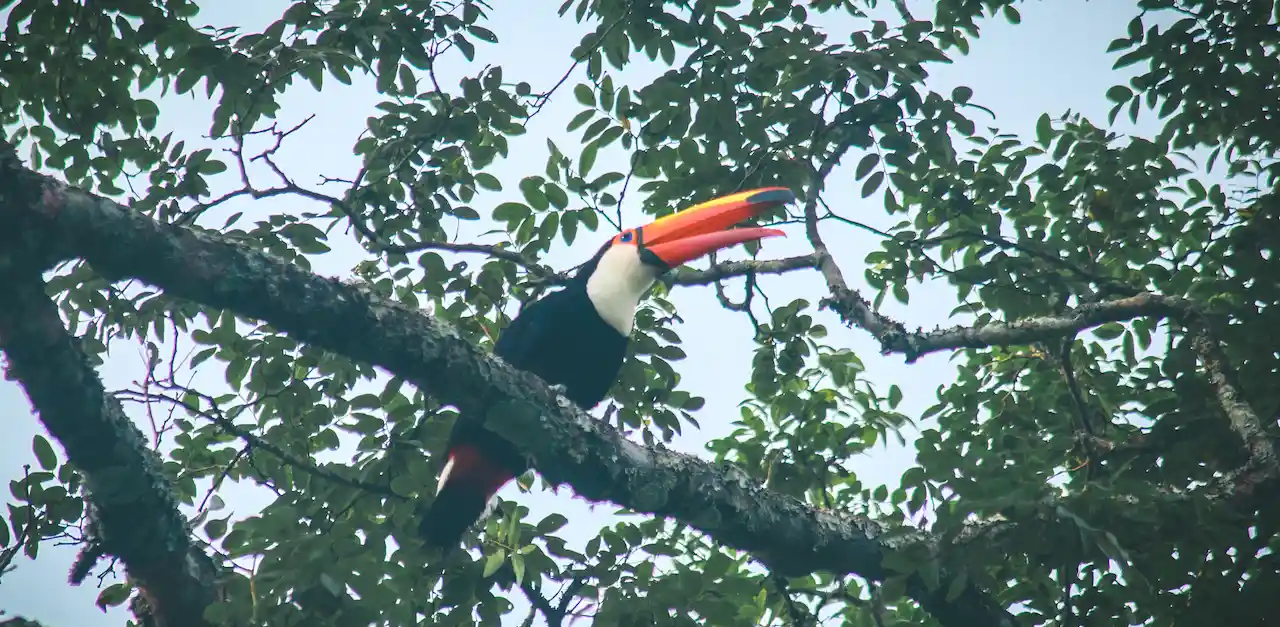
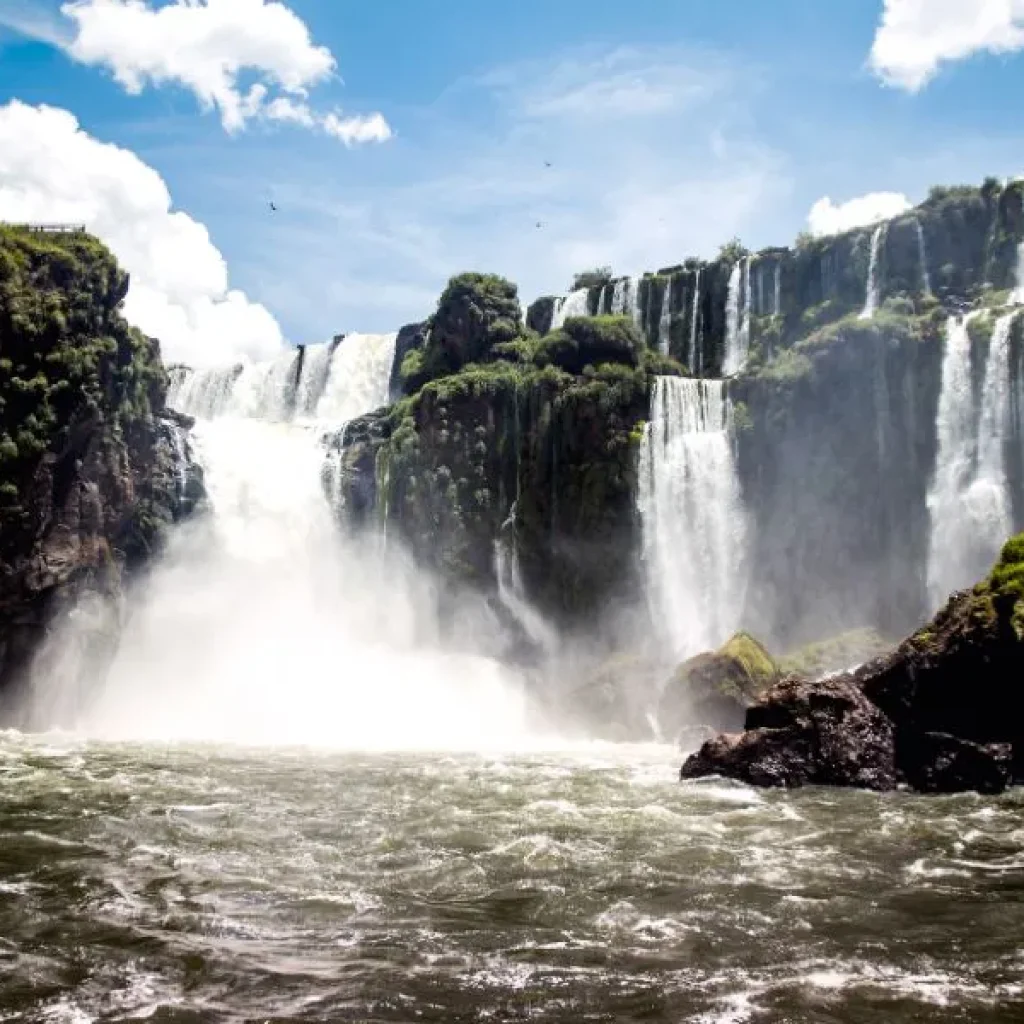
The third day is not more waterfall, it is what surrounds it: the Guira Oga sanctuary, the boat below the falls, the Wanda mines and the birds.
For wildlife and photography
Each length has its own page: the day trip, two days and three days. For the falls without the capital, see Iguazu Falls tours.
One of the most common questions we get is which side is worth visiting. The honest answer: both, if you have the time. Each side of the falls offers a completely different experience, and together they give you the full picture of what makes Iguazu so extraordinary.
| Argentine Side (Parque Nacional Iguazu) | Brazilian Side (Parque Nacional Iguacu) | |
|---|---|---|
| Best for | Walking through the jungle to the falls; feeling the spray up close at Devil’s Throat | Panoramic views of the entire falls system from a distance |
| Highlights | Upper and lower circuits; Devil’s Throat walkway; eco-boat rides | Main walkway along the canyon rim; helicopter tours (optional) |
| Walking distance | 3–5 km of trails depending on circuit chosen | 1.2 km main walkway (shorter and flatter) |
| Time needed | Half day to full day | 2–3 hours |
| Entry requirement | Argentine visa (for most nationalities: not required) | Brazilian visa or e-visa (check based on nationality) |
| Argentina Pura packages | Included in all packages | Included in 2-day and 3-day packages |
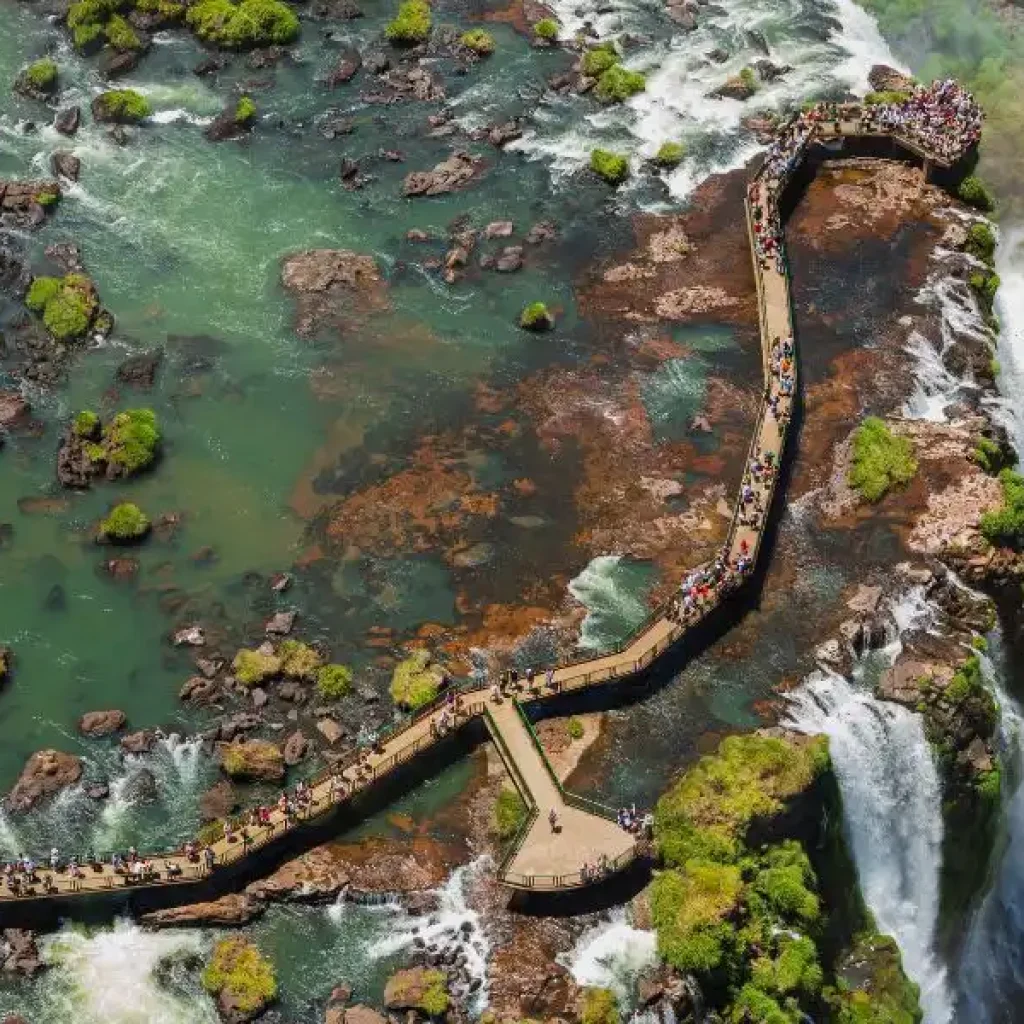
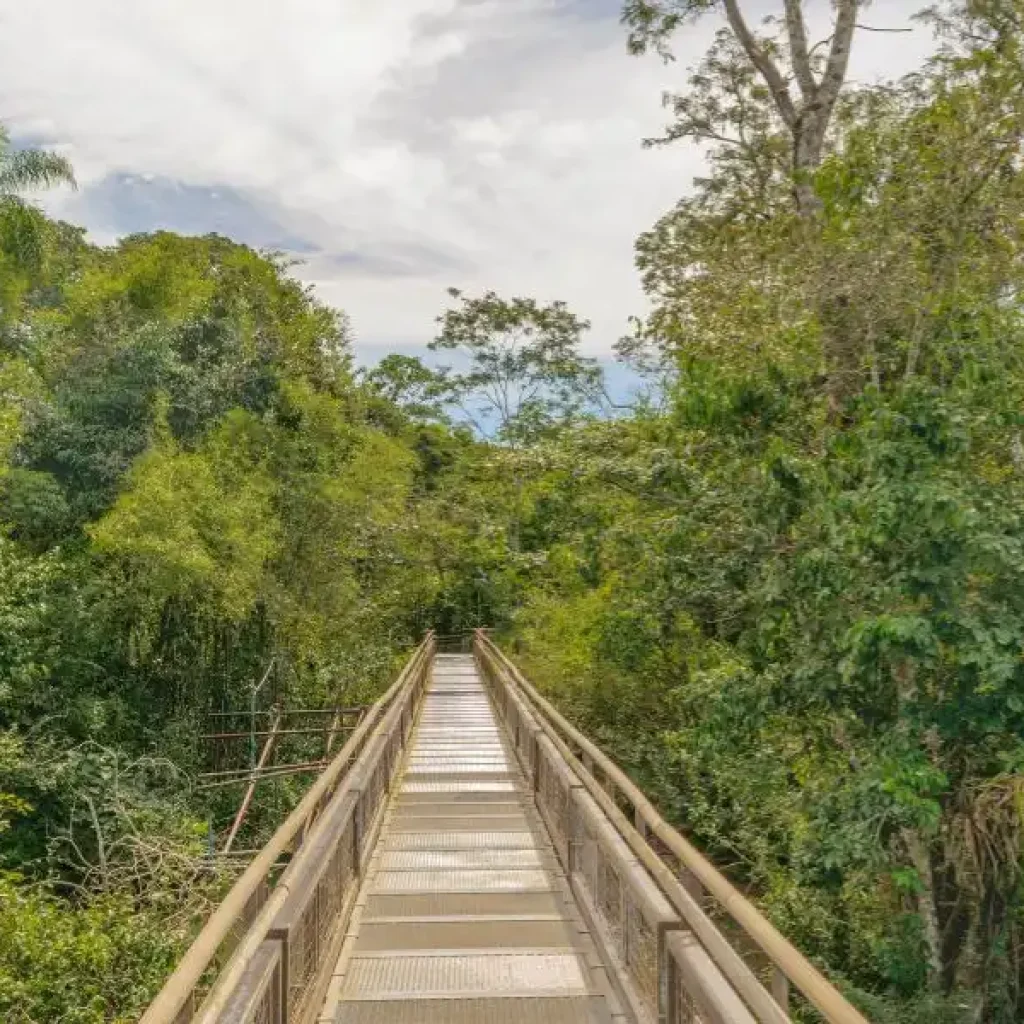
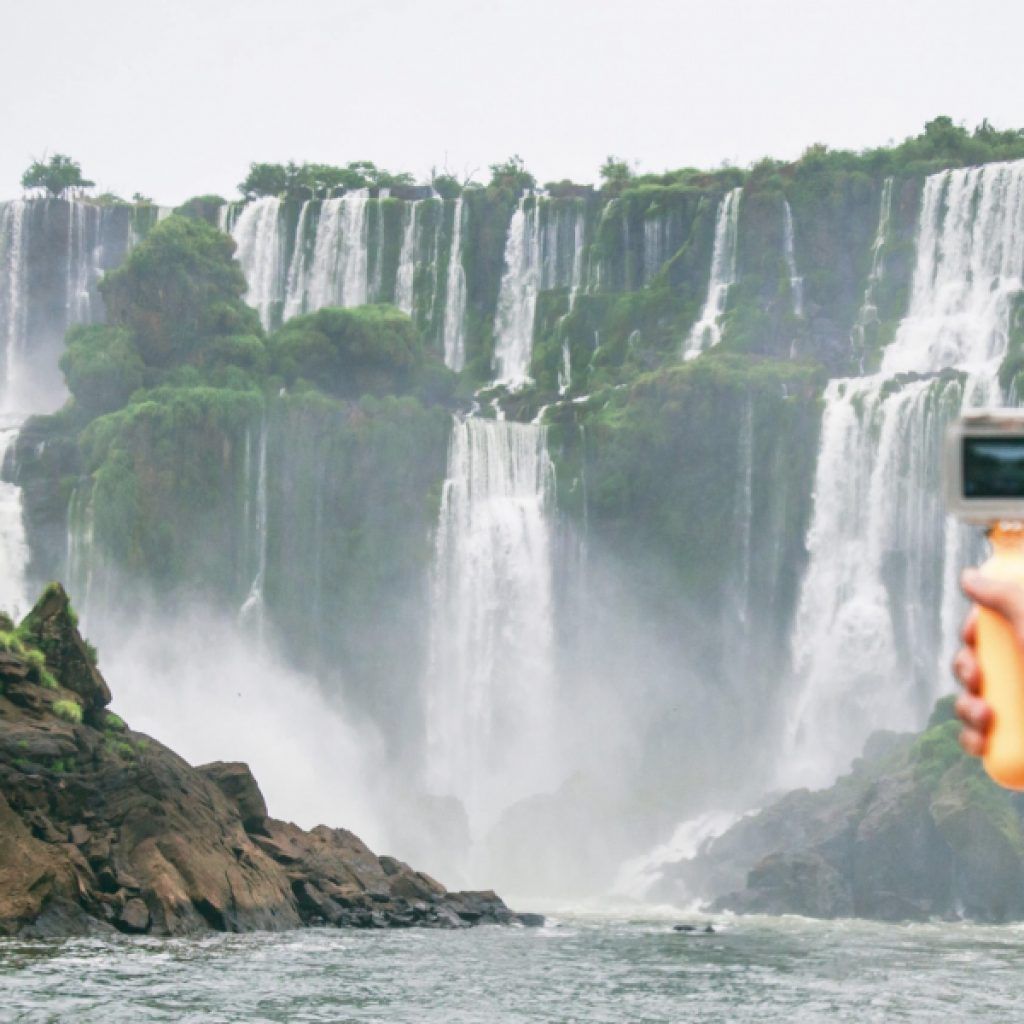
Most travelers find the Argentine side more immersive — you’re literally walking out over the water on elevated metal walkways, close enough to feel the mist. The Brazilian side wins on the panoramic shot: that iconic view of the entire horseshoe of falls spread out in front of you. On a two-day tour, we typically spend the first afternoon on the Argentine side and the morning of day two on the Brazilian side before your return flight.
Iguazu Falls is a year-round destination, but your experience will differ significantly depending on when you go. The falls are fed by rainfall in the river system upstream, which means water levels — and the spectacle — peak in the months following the heaviest rains.
The most popular window runs from March through May. Rain has replenished the river but the summer crowds have thinned, temperatures sit around 25–28 degrees Celsius, and the falls are running at impressive volume. It’s also the period when the surrounding subtropical forest is at its greenest and most alive.
August through October is another sweet spot. The dry season keeps the park less humid and more comfortable for walking, and visitor numbers are lower than in peak summer. Water levels are slightly reduced but still spectacular — and you’re more likely to have the main walkways to yourself.
December through February is the warmest and wettest period, which brings higher water flow but also tropical storms and significant crowds, particularly during the Argentine and Brazilian summer holidays. If you travel in this window, book well in advance and plan to arrive at the park gates early.
If you still haven’t found what you are looking for, you can continue exploring other destinations. We have more than 80 itineraries designed for different types of travelers and all of them can be adapted to your tastes or needs.
Send us as much information as you can to customize your argentina trip. We’ll be happy to help create new experiences based on your thoughts and likes. Our goal is to make the best trip you’ve ever dreamed!
Request a quote
We'll get back to you within 24 hours
Every quote we send lists this in writing, trip by trip. As a rule, this is how an Iguazú package is built.
Hotels selected and checked by our team; private transfers between airports, hotels and excursions; excursions with English-speaking local guides; entrance fees to Iguazú National Park on the Argentine side, and on the Brazilian side where your itinerary includes it; daily breakfast and the meals marked day by day; a local WhatsApp support line for the whole trip.
International flights to and from Argentina; travel insurance; meals not marked in the itinerary; personal expenses and gratuities; optional activities, which we price in writing beforehand. The Buenos Aires to Puerto Iguazú flight is quoted separately or included depending on the package, and your quote states which, with the amount, so the total is clear before you book.
Iguazú is at its most powerful after rain, and that same water can close the Devil's Throat walkway or the boat under the falls for a day. When it does, we move that section to another day inside your stay and use the lower circuit and the Brazilian panoramic side meanwhile. Wherever the schedule allows, we rebook the highlight inside your trip at no extra cost.
Answer within 24 hours, from a person, not an autoresponder.
 Optimized by Seraphinite Accelerator