


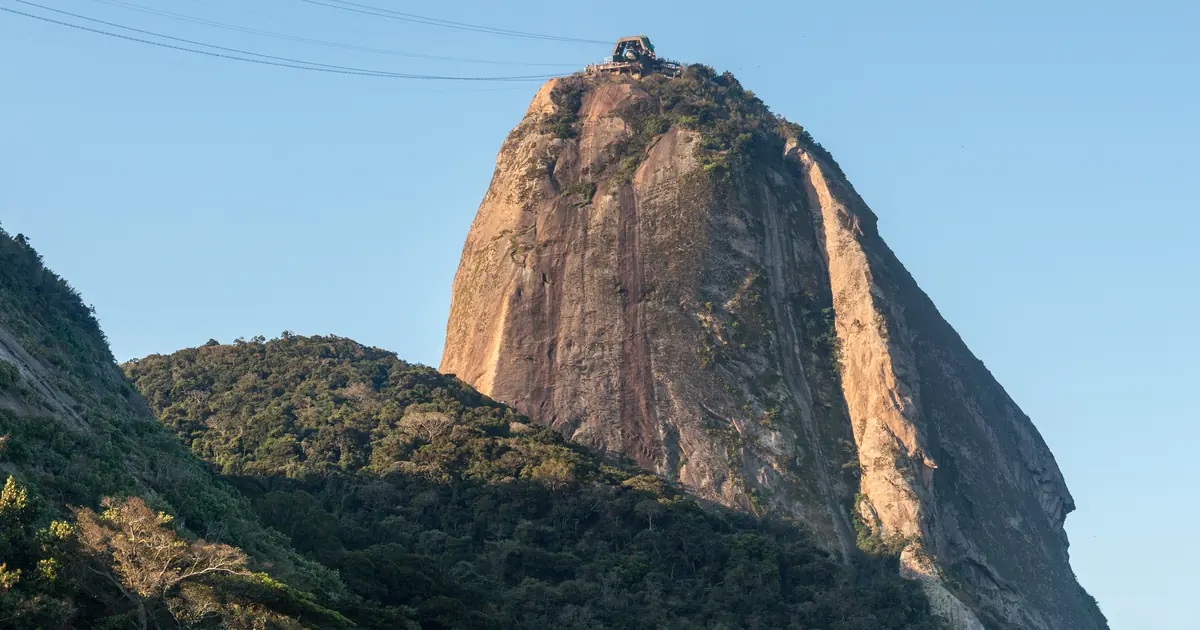
Choose Buenos Aires if you travel for a city: its food, its cafés, its architecture and neighbourhoods you can walk for days without running out of streets. Choose Rio de Janeiro if you travel for a landscape: granite peaks that drop into the Atlantic, a rainforest inside the city limits and beaches that set the rhythm of the day. That is the short answer to Buenos Aires vs Rio de Janeiro. The longer answer is that with nine days you do not have to choose, because Iguazú Falls sits on the border between Argentina and Brazil and turns two separate trips into one route.
We design and run trips from Buenos Aires, and we also run trips to Rio, alone or combined with Argentina. This guide compares the two cities the way we compare them when someone writes to us undecided: first by what you want your days to feel like, then by the practical differences (safety, money, language and entry rules), and finally by how the two fit together. Every price and day count below comes from tours published on argentinapura.com, consulted in November 2026. If you already know you want both cities, the quickest way in is our selection of Argentina and Brazil tours, built around the same route you will find further down. You can see them all on one page: Argentina and Brazil tours.
Buenos Aires vs Rio de Janeiro at a glance
The two cities are often sold as interchangeable South American capitals of rhythm and nightlife. They are not. Buenos Aires is a city you read street by street; Rio is a city you look at from above and then go down to the sand. The table sums up what each one does best, with the day counts we actually plan.
| What you are after | Buenos Aires | Rio de Janeiro |
|---|---|---|
| The setting | A flat, grid-planned capital on the Río de la Plata, made for walking | A city squeezed between mountains, forest and ocean |
| What fills the days | Neighbourhoods, cafés, markets, museums, a tango night | Viewpoints, beaches, a forest hike, a day on the coast |
| Food | Steak houses, pasta and pizza with Italian roots, wine bars, late dinners | Neighbourhood botecos, juice bars, seafood, snacks on the sand |
| Beaches | None to swim at: the river is a wide, brown estuary | Copacabana, Ipanema and Leblon inside the city |
| Nightlife | Dinner late, then milongas and bars | Samba bars in Lapa, beach kiosks, street parties |
| Language | Spanish | Portuguese |
| Days we plan | 3 to 5 in our city routes | 4 to 7 in our Rio trips |
| Best for | Food, architecture, culture, travellers who like to walk | Nature, beaches, light hiking, outdoor travellers |
Read this Buenos Aires vs Rio de Janeiro table by rows, not by columns. If most of what you circled sits on the left, Buenos Aires is your city; if it sits on the right, Rio is. If you circled both sides in equal measure, skip to the combined itinerary, because that is the trip you are describing.
Choose Buenos Aires if you want a city to walk
In Buenos Aires the neighbourhood is the unit, not the attraction. You do not tick off monuments; you pick a barrio and give it a morning. San Telmo has the cobbled streets, the antique shops and the Sunday fair that runs along Defensa street. Recoleta has the cemetery, the grand townhouses and El Ateneo, the theatre turned into a bookshop. Palermo has the parks, the restaurants and the bars where most of the city’s evenings start. La Boca has the painted houses of Caminito and the Boca Juniors stadium.
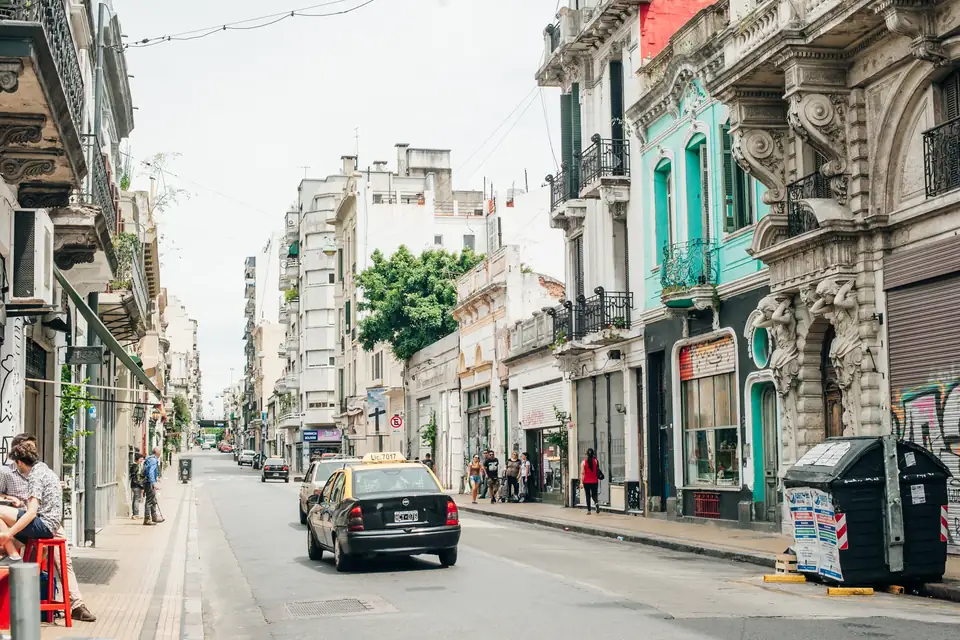
The city also has a night that Rio does not. Dinner rarely starts before nine, and on the second day of our combined route you see why: a guided evening drive past the Casa Rosada, the Women’s Bridge, the Obelisk, the Colón Theatre and the Floralis Genérica, with walking stops along the way, followed by a tango and folklore show in a restored convent from the beginning of the twentieth century. It is a good first evening in the city.
Download the free itinerary planner if you are still sketching dates: it is the one-page template we use to fit Buenos Aires, Iguazú and Rio into the same trip.
Buenos Aires and Beyond: The Itinerary Planner
The planning layer for Buenos Aires: how many days the city deserves, from 2 to 7, the weekly calendar of closures, three day by day routes with a margin day (5 days with a day trip, 7 days with two, 8 days adding Rio de Janeiro) and real times for Colonia, Tigre, San Antonio de Areco and the flight to Rio.
What Buenos Aires asks of you is curiosity and comfortable shoes. It rewards travellers who like to sit in a café for an hour, who read the menu at a parrilla before they order, and who would rather spend an afternoon in one neighbourhood than a day crossing five. If your idea of a holiday includes a beach every day, it will frustrate you: the Río de la Plata is not a river you swim in.
Is Buenos Aires touristy?
Only in a few blocks. Caminito, Florida street and the area around the Obelisk get the coaches and the souvenir stands. A few streets away, in any direction, the city goes back to being a place where people live and work. That makes it an easy city for travellers who prefer a calm pace: Buenos Aires does not feel staged, and it is easy to step out of the crowd.
Choose Rio de Janeiro if you want the landscape
Rio is the opposite exercise. The city is built around its geography, and the first two days of any visit are spent going up to look at it. On Sugarloaf Mountain, two glass cable cars climb in stages: the first to Urca Hill, the second to the summit, with a view that takes in Copacabana Beach, Corcovado and downtown. On Corcovado, a train climbs from the Cosme Velho neighbourhood through the forest to the statue of Christ the Redeemer, and the view from the base of the statue is the one on every postcard of the city.
After the viewpoints comes the ground level. Santa Teresa, a hillside neighbourhood above downtown, has the cobbled streets, the old mansions, the Parque das Ruínas viewpoint and the Chácara do Céu Museum, whose collection includes Portinari, Di Cavalcanti, Matisse and Modigliani. Urca, at the foot of Sugarloaf, has Bar Urca, where locals sit on the sea wall with a cold beer in the late afternoon. Tijuca Forest, the rainforest that covers the mountains behind the city, is close enough to the hotels in Copacabana for a half day hike, and our Highlights and Hike trip gives it a morning of its own.
Then there is the coast. Copacabana, Ipanema and Leblon are inside the city, and the hotels we use in Rio are all in Copacabana. If you add a day out, Búzios is the classic choice: our full-day trip follows the coast past Iguaba and Araruama, takes a boat to three beaches (Azeda, João Fernandes or Tartaruga, depending on the weather) where you can swim and snorkel, and finishes on Rua das Pedras. It is a long day, of about twelve hours from the hotel and back.
What Rio asks of you is heat tolerance and a taste for being outdoors. It rewards travellers who want to hike in the morning and swim in the afternoon, and it frustrates those who want long museum days or a city to wander at random: the hills, the tunnels and the traffic make Rio a city you move through by car or metro, not one you cross on foot.
Safety, money, language and entry rules
In a Buenos Aires vs Rio de Janeiro decision, these are the questions that usually settle it once the travel style is clear.
Safety in both cities
Both are large Latin American cities, and both ask for the same habits: phone out of sight on the street, a registered taxi or an app car at night, valuables in the hotel safe, and a question to the reception desk about which streets to avoid after dark. In Rio, that applies especially on the beach, where a bag left alone on the sand while you swim is an easy target. In Buenos Aires, it applies on busy pavements and on the underground at rush hour. On our trips, every transfer is booked in advance and you have our WhatsApp assistance at destination for anything that comes up, in English or Spanish.
What each city costs with us
Prices below are the published starting price per person, with 3-star hotels, as listed on argentinapura.com in November 2026. They include transfers and excursions as described in each itinerary and accommodation with breakfast; they do not include international or domestic flights, which we quote separately. Prices show in euros or in US dollars depending on where you are browsing from.
| Trip | Days | What it covers | From, per person |
|---|---|---|---|
| Traditional Rio de Janeiro | 4 | Corcovado, Santa Teresa and Sugarloaf | €958 |
| Rio de Janeiro Highlights and Hike | 4 | Sugarloaf, Corcovado and a half day in Tijuca Forest | €1,007 |
| Rio de Janeiro and Búzios | 7 | Rio’s viewpoints, then two nights on the coast | €1,846 |
| South American Wonders | 9 | Buenos Aires, both sides of Iguazú, Rio and a day in Búzios | €1,815 |
The last row is the useful surprise: before flights, nine days across two countries start at a lower published price than seven days in Rio and Búzios alone. The difference is in how the hotel nights are split and in how many of the days are guided. The shortest classic is Traditional Rio de Janeiro. The one with the forest walk is Rio de Janeiro Highlights and Hike. The one that adds the coast is Rio de Janeiro and Búzios.
Language and money
Buenos Aires speaks Spanish and pays in Argentine pesos; Rio speaks Portuguese and pays in Brazilian reais. Hotel staff and our guides speak English in both cities, but menus and taxi drivers rarely do. Spanish speakers will get by in Rio, because Portuguese reads close to Spanish; the reverse is also true. Cards work in hotels and most restaurants in both cities, and it is worth carrying a small amount of local cash for markets, tips and beach kiosks.
Entry rules in 2026
This is where the two countries differ most for travellers from North America. Since 10 April 2025, citizens of the United States, Canada and Australia need an e-visa to enter Brazil as tourists, according to the Consulate General of Brazil in Houston. It is applied for online, and the fee the consulate lists in 2026 is US$80.90. The application asks for a passport photo, a flight reservation showing entry and exit, and a recent bank statement, so it is worth starting a few weeks before you fly.
Argentina, by contrast, does not ask US citizens for a visa to enter as tourists for stays of up to three months, according to the Argentine Consulate General in Houston. If you travel on a European or another passport, check the rules for your nationality with the consulate of each country before booking, because they change more often than travellers expect.
When to go
Both cities sit in the southern hemisphere, so the seasons are the reverse of North America and Europe. Rio’s summer, from December to March, is hot and humid and includes Carnival, which fills the city and raises hotel prices. Buenos Aires is at its best for walking in spring and autumn, when the jacaranda trees flower in the parks or the evenings are mild. If you combine both, spring and autumn are the easiest compromise: warm enough for the beach in Rio, cool enough for long days on foot in Buenos Aires.
Buenos Aires to Rio de Janeiro itinerary: both cities in nine days
If you circled both columns of the first table, this is the route. Iguazú Falls sits on the border between Argentina and Brazil, and its two airports, one on each side, make it the natural bridge: you fly into the Argentine side from Buenos Aires and out of the Brazilian side to Rio. This is how our nine-day South American Wonders trip runs.
- Day 1: arrival at Ezeiza airport, private transfer with a guide to your hotel in Buenos Aires.
- Day 2: Buenos Aires by night, with the illuminated city tour and the tango and folklore show.
- Day 3: transfer to Jorge Newbery airport in the city and flight to Puerto Iguazú.
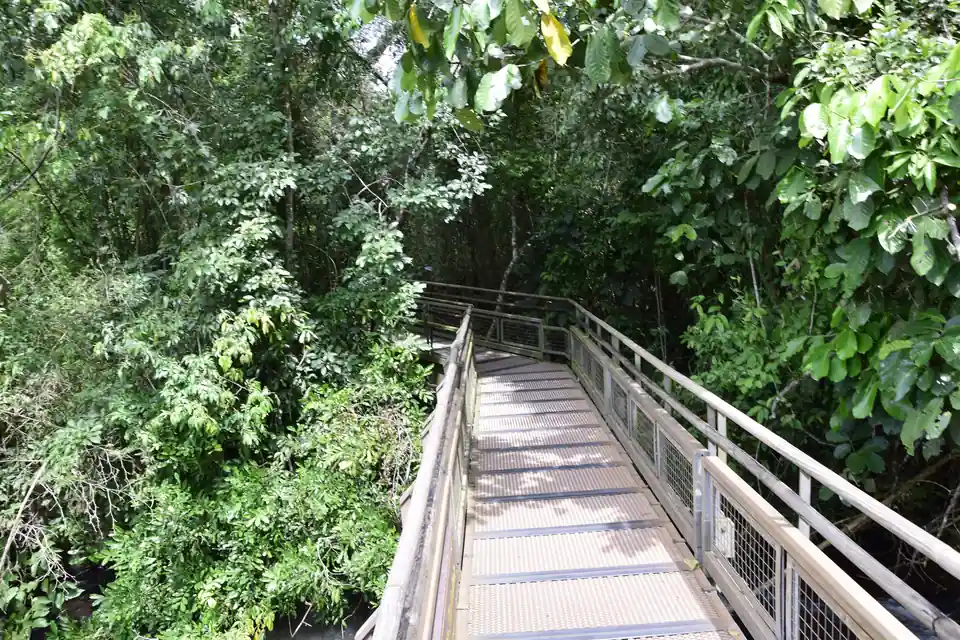
- Day 4: full day on the Argentine side of the falls, with the Devil’s Throat and the Upper and Lower circuits, entrance fee included.
- Day 5: half day on the Brazilian side, with the panoramic view of the falls and the walkway reached by lift.
- Day 6: transfer across the border to Foz do Iguaçu airport and flight to Rio de Janeiro.
- Day 7: Sugarloaf and Corcovado in a full day of about eight hours, with lunch.
- Day 8: full day in Búzios, with the boat to the beaches and lunch.
- Day 9: transfer to the airport in Rio and flight home.
That is two nights in Buenos Aires, three in Iguazú and three in Rio. The split is deliberate. Buenos Aires gets the start of the trip because the international flight lands at Ezeiza, and a city at the beginning adapts easily to whatever time you arrive. Iguazú gets three nights because the two sides of the falls are different visits and deserve separate days. Rio gets the end, because a beach is the best place to recover before a long flight home.
If you have more time, the route stretches easily: a third night in Buenos Aires for a day in the Delta or a long lunch in Palermo, or a fourth night in Rio for Tijuca Forest or Santa Teresa. The full itinerary, with hotels and what each day includes, is on the trip page: South American Wonders.
Travel from Buenos Aires to Rio de Janeiro, or the other way round
The two cities are well connected by air, so the question is less how to travel between them than in which order and with which stops.
Travel from Buenos Aires to Rio de Janeiro
The direct option is a flight between the two cities, which we can quote with the rest of the trip. It makes sense when you only want the two cities and have a week or less. With nine days or more, the route through Iguazú costs you very little extra time, because the two flights replace the direct one, and it adds the falls.
Travel from Rio to Buenos Aires: does the order matter?
It works in both directions, and the right one depends mainly on your international flights. Starting in Buenos Aires and ending in Rio gives you the city first, while you are fresh, and the beach last. Starting in Rio and ending in Buenos Aires suits travellers who want to finish with the food, the shopping and the long dinners. In both cases, ask for an open-jaw ticket: arrive in one city and fly home from the other, so you never have to backtrack.
Is Buenos Aires in Brazil?
No. Buenos Aires is the capital of Argentina, and Rio de Janeiro is in Brazil. Searches for Buenos Aires Brazil usually come from travellers planning both countries at once. The confusion is common, partly because so many trips combine the two countries, and partly because Iguazú, which sits on the border between them, is visited from both sides. In practice, Argentina and Brazil have different languages, currencies and entry rules, so it pays to plan them as two countries even when you see them in one trip.
How many days to give each city
For Buenos Aires on its own, our city routes run from three to five days, and that is the range we recommend: three days cover the classic neighbourhoods and a tango night, and five leave room for a theme, such as food, football or history. For Rio, our trips run from four days, which cover the viewpoints, Santa Teresa and a hike, to seven, which add two nights on the coast in Búzios.
In a combined trip, two or three nights in each city are enough, because the trip is no longer about exhausting one place. The rule we use is simple: give the city where you want to wander the extra night, and give Iguazú at least two full days, one for each side of the falls.
Planning Buenos Aires and Rio with us
If you are still torn between Buenos Aires and Rio de Janeiro, consider that the contrast may be the point. A city of cafés and long dinners, a day on the walkways of Iguazú, and a few days of sea and mountains make a trip that feels much longer than nine days.
We design each trip around your dates, your pace and the hotels you prefer, and someone in Argentina answers your message. Tell us your dates and what you want the trip to feel like, and we will send you a route with real prices: Contact us.

Due to my professional background, I have extensive skills in the identification and characterization of target audiences, which allows me to understand the needs, preferences and specific behaviors of each segment, in order to design effective strategies that contribute to the success of the organization’s communication goals.
I work in the creation of digital content and the design of narratives for companies in the travel and tourism sector, contributing significantly to the promotion of destinations, services and exclusive experiences, generating a positive impact on brand perception.
Throughout my career, I have acquired solid experience in project planning and management, and I am passionate about research and data analysis, especially oriented to the development of user-centric products.
My experience encompasses the development and implementation of sustainable practices in processes, for building solutions that generate positive impact both socially and environmentally.
Always committed to designing effective solutions, I am dedicated to address challenges and contribute to the growth and development of teams and organizations with a holistic and sustainable approach.
0 Comment