It is a locality of the Tinogasta Department. It is located at the west of the Province of Catamarca, 322 kilometres away from San Fernando del Valle de Catamarca. It is accessed by the National Route 60, the same one that leads to the San Francisco Pass, which is the border with Chile.
Its population is 4639 inhabitants according to the 2010 census.
This tourist destination became well known since 2009 when it hosted the Dakar Rally.
It is not an easy way to get to Fiambalá, it is recommended to travel by car. From Argentina Pura we can arrange a private car for you.
Travel to Fiambalá
Discovering Fiambala: An Unforgettable Journey Through the Majestic Andes Mountains.
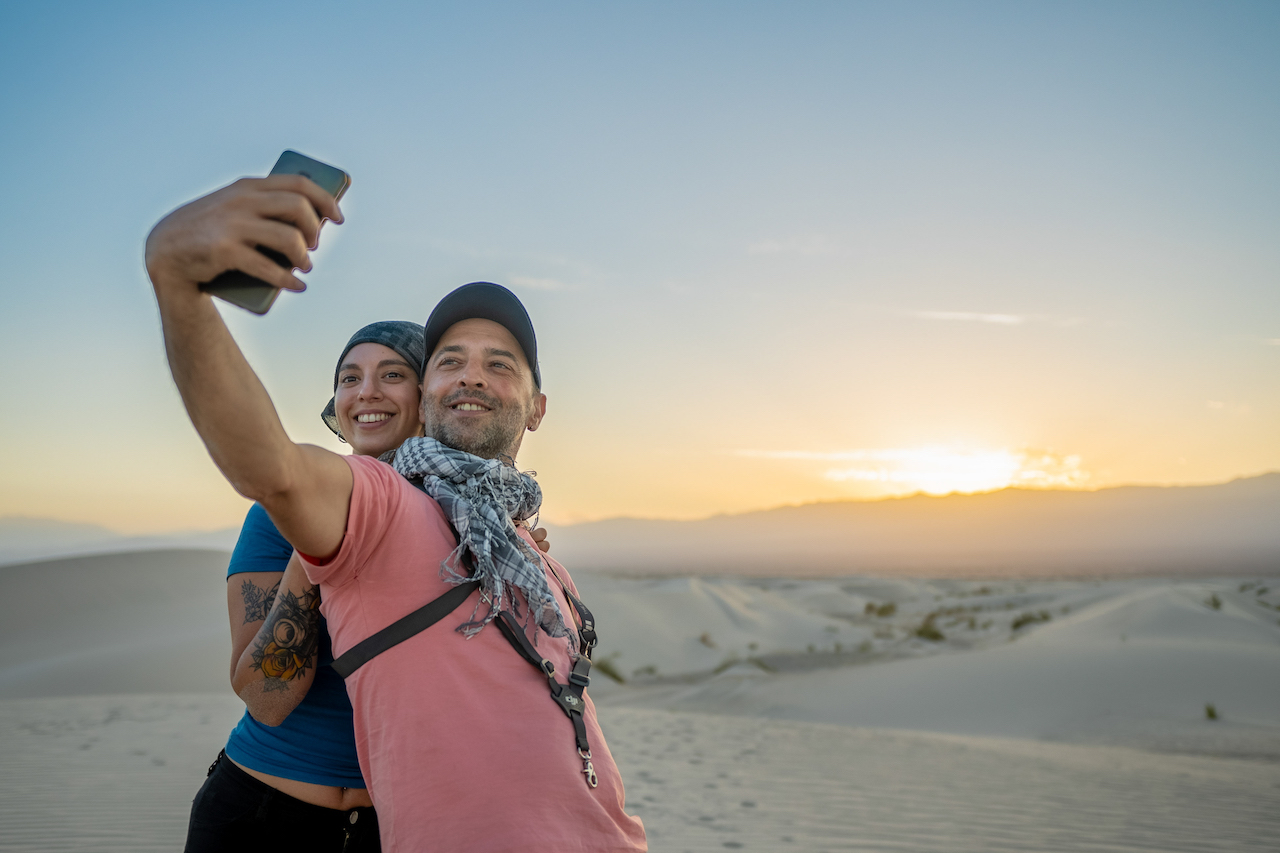
Dunes of Tatón Fiambalá: it is an extension of huge sand mountains. It is an ideal place for sandboarding and quad biking. They are almost 2000 metres high. It is located at about 25 kilometres from the city taking the Provincial Route N° 34.
Fiambalá Hot Springs: Fiambalá in the language of the native peoples means “water that penetrates the mountain”. It is located about 15 kilometres away, so you have to go by car. The site is made up of 17 natural pools of mountain rock. This place was very useful medicinally for the native peoples. The hot springs are recommended by doctors from Catamarca for their curative and medicinal power; they are sedative and relaxing for the nervous system, among other properties. The water has temperatures ranging from 38º C to 70º C. It is worth mentioning that there are cabins in the area where you can stay. The place is open until midnight, so you can enjoy the dreamy night scenery from the water. The entrance fee is around $350 Argentinean pesos.
Wineries: Fiambalá is known for its wine-making activity. It is highly recommended to visit some of the wineries and taste their wines. You can go to Bodega Abaucán, a very small organic winery. If you want to visit a bigger one, you can go to Tizac. Both with free entrance.
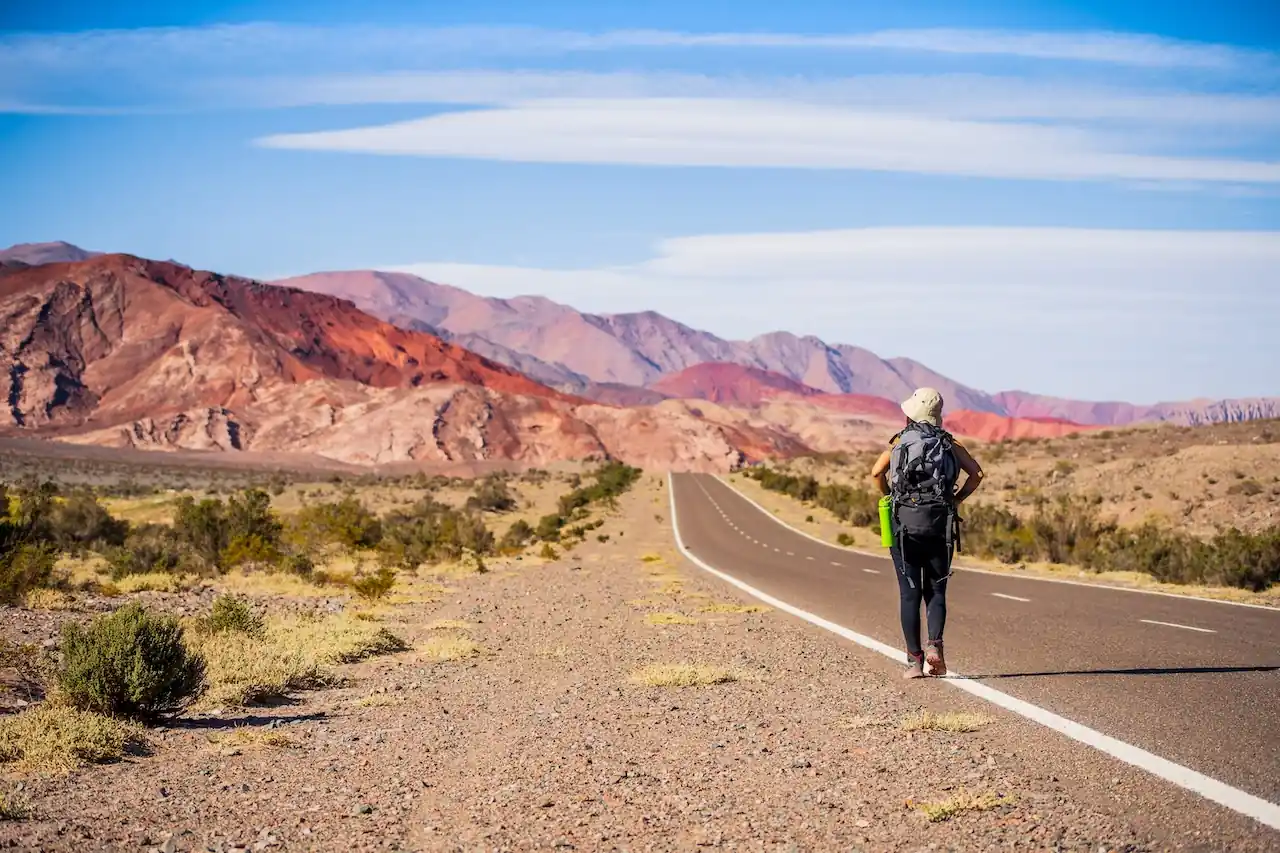
Ruta de los Seismiles: it is the section of the National Route 60 that starts in Fiambalá and ends at the San Francisco Pass. It is the second highest area in the world after the Himalayas. It is surrounded by some 19 volcanoes that exceed 6000 metres each.
Bolsón de Fiambalá: also known as the Fiambalá Valley, it is a depression in the northwest of Argentina.
Museo del Hombre: a small museum that exhibits objects found in the surrounding mountains and two Inca mummies and has a room dedicated to the seismic expeditions.
Mount Pissis: a dormant volcano that reaches 6882 metres above sea level and is the third highest peak in the Americas. At its feet there is a large glacier.
Paso de San Francisco: taking route 60 you can go to Paso de San Francisco, which is on the border with Chile. It is advisable to go by car. From Argentina Pura we can organise everything for you. Translated with www.DeepL.com/Translator (free version)
We are happy to help you make your Argentina trip come true.
Send us as much information as you can to customize your argentina trip. We’ll be happy to help create new experiences based on your thoughts and likes. Our goal is to make the best trip you’ve ever dreamed!
Request a quote
We'll get back to you within 24 hours
Return to the
Argentina Travel guide
Ready to learn more about Argentina and the best places to explore?
Things to do in Ushuaia by what each asks of you: the park, Beagle Channel, Martial Glacier, penguins and Antarctica, with official distances, fees and days.
Solo travel is easier to plan than it looks once you settle the structure first. How to choose the place, the format and the days for a first trip, with Argentina as the example.