





Almost no one comes to Argentina for Buenos Aires alone, and almost no one manages to avoid it. It is where the international flights land, where the domestic ones leave from, and where most itineraries spend their first two nights and their last one. So the useful question is not the one the lists of things to do in Buenos Aires answer. It is which Buenos Aires you want, and how many days that version needs.
We run eight different city routes of three to five days, and they share almost no afternoons. That is the point of this guide: the city is chosen by theme and by neighbourhood, not by ticking off eighteen attractions in three days, and the theme decides the price more than the length does.
Buenos Aires is chosen by theme, not by list
These are five of the city routes we run, with the published starting price per person. Read the days column against the price column: the five day history route costs less than the four day food route, because a museum morning and a chef’s table are different afternoons with different price tags. Prices show in euros or in US dollars depending on where you are browsing from.
| The Buenos Aires you want | Jours | What fills the days | From, per person |
|---|---|---|---|
| City of Tango | 4 | A milonga, a private class, a show, and the barrios where the music lives | 584 € |
| Football fan | 4 | A match with local supporters, the two big stadiums, and the neighbourhoods around them | 702 € |
| Latin American history | 5 | Plaza de Mayo, the Cabildo, Recoleta, the museums of the independence and of Peronism | 755 € |
| City and foodie spots | 4 | Market mornings, a closed door restaurant, a parrilla done properly, and the wine bars of Palermo | 1.057 € |
| Classic Buenos Aires | 4 | The full circuit of neighbourhoods with a private guide, a show, and free afternoons | 1.311 € |
What the table does not show is that the walking is nearly identical across the five. Buenos Aires is flat, and each of these routes covers a similar number of kilometres in a similar number of days. What changes is what you stop for, and who is with you when you stop. If you are choosing between them, choose by the afternoon you would be sorriest to miss.
The neighbourhood is the unit, not the attraction
The city is big, and its interesting parts are not next to each other. The mistake most three day plans make is to string attractions across it and spend the middle of each day in a taxi. The plan that works gives each half day to one neighbourhood and lets the attractions inside it fall into place.
Palerme is where most visitors sleep and where most evenings end. It is really several neighbourhoods: Palermo Soho for the shops and cafes, Palermo Hollywood for the restaurants and bars, and the parks and the rose garden to the north for a morning on foot. It is the easiest place to be without a plan.
Recoleta is the city’s Paris quarter, and the cemetery is the reason people go: a walled town of mausoleums where Eva Peron is buried and where a guided hour explains more about Argentina than most museums. The Ateneo Grand Splendid, a theatre turned bookshop, is fifteen minutes away and worth the detour even if you buy nothing.
San Telmo is the old south, cobbled and low, and it has one day of the week that matters: Sunday, when the fair fills Defensa street from Plaza Dorrego to the river and tango plays in the square. Any other day it is a quiet neighbourhood of antique shops and a covered market that is at its best around lunchtime.
La Boca is the painted houses of Caminito and, around them, a working port district that visitors are asked to stay out of. The advisories are unusually specific about this, and we say the same: walk the few blocks of Caminito, then leave by taxi. We cover the detail in our guide to whether Argentina is safe, and this article leaves it there.
The centre, from Plaza de Mayo along Avenida de Mayo to the Congress and up 9 de Julio to the Obelisk, is the Buenos Aires of the postcards and the politics. It is a morning, done early before the offices fill, and the Teatro Colon sits at the top of it: take the guided tour of the building if you cannot get a performance, because the auditorium is the show.
Puerto Madero is the old docks rebuilt as a waterfront, flat and wide, with the ecological reserve behind it. It is the easiest walk in the city if you want an hour by water, and the least Argentine of the neighbourhoods, which is either a rest or a complaint depending on your day.
Tango show or milonga: the decision that shapes an evening
Each version of the city includes tango, and the choice most people do not know they are making is between two different things that share a name.
A tango show is a staged performance with dinner, professional dancers, an orchestra and a fixed running order. It is polished, it starts on time, and it is the right choice for a first night or for a traveller who wants to sit down and be shown the form at its most athletic. A milonga is a dance hall where people go to dance with each other. No one performs. The music is played for the floor, the dancers are locals of all ages, and the evening starts late and runs later. Visitors are welcome to watch from a table, and with a class beforehand, to join.
Our tango route does both, in that order, because the show teaches you what to look for and the milonga is where you see it for real. If you only have one evening, the show is the safer choice. If you have two, the second one belongs to a milonga.
The dinner clock, and the shape of a day here
Buenos Aires eats late, and this is the single practical fact that reorganises a visitor’s day. Restaurants fill from nine in the evening and are busiest at ten. A tango show starts with dinner around eight and the performance close to ten. A milonga does not get going until eleven.
Which means the day has a different shape from the one most people arrive with. Mornings are for the centre and the museums, which open early and empty out by the afternoon. The middle of the day is long and slow, and the city is built for it: a cafe, a bookshop, a park. Late afternoon is for the neighbourhoods, and the evening starts when you would normally be finishing it. Travellers who keep to a northern European or American clock spend their evenings in empty restaurants and their late mornings asleep. Shift the whole day two hours later and the city works.
One practical consequence: do not schedule an early domestic flight the morning after a milonga. The routing of those flights is a subject on its own, and we cover it in the ten day Argentina itinerary, so this article does not.
How many days Buenos Aires needs
Three is the floor. It gives you the centre, one southern neighbourhood and one northern one, and a tango evening, with the first day mostly lost to the arrival. Three days is enough to feel you have been here. It is not enough to choose a theme.
Four fits a theme. This is why most of our city routes are four days: the extra day is the one that turns a circuit into a food trip, a football trip or a tango trip, because it is the day with nothing that has to be seen. Five adds a day out of the city, which is the next section.
Activités à Buenos Aires : découvrez la ville par thème what each region is worth in days sets out where those days do more work. The exception is the traveller who is not going anywhere else, for whom a week here is a different and very good trip.
The two day trips that pair with the city
Two places sit close enough to Buenos Aires to be a day, and far enough to feel like leaving.
Tigre and the delta is under an hour north by train from Retiro. The town is the gateway to a maze of river channels where people live on islands reached only by boat, and the day is a launch through the channels, a lunch on the water and the fruit market on the way back. It is the gentle choice, and it is the one we add to the classic route with Tigre.
Colonia del Sacramento is in Uruguay, about an hour across the river on the fast ferry, and it is a different country in the space of a morning: a Portuguese colonial town of cobbles and sycamores with a lighthouse and a slow lunch. It needs a passport and a full day, which is why it lives in the seven day route rather than the four day ones.
The things to do in Buenos Aires we would leave out
The city has a long tail of things that appear on lists and rarely justify their afternoon on a short trip. The Casa Rosada is better looked at from the square than queued for. The Japanese garden is pleasant and small. The Costanera is a long walk to a view you can get from Puerto Madero in ten minutes. The hop on hop off bus covers distance but not the thing that makes the city, which is standing still in one neighbourhood long enough to notice it.
Leave those out and the days that remain are fuller, not emptier. It is the same rule we apply to the whole country, and the reason our routes have fewer stops than the brochures.
Choosing your Buenos Aires
If you take one thing from this: decide the theme before the dates. A food traveller and a history traveller can spend the same four days in the same hotel and not cross paths once, and the version you get depends on a choice most people do not know they are making until they are here.
Tell us the afternoon you would be sorriest to miss and we will build the days around it. You can see the full range of Voyages à Buenos Aires, or read how the city fits into a longer journey in our guide to ten days in Argentina. For travellers over sixty, what each destination asks of you covers the city at its own pace.
classe les cinq hébergements où les visiteurs ont effectivement séjourné en fonction de la durée du séjour, du thème et de l'aéroport. Buenos Aires neighborhoods ranks the five visitors actually stay in by length of stay, theme and airport.
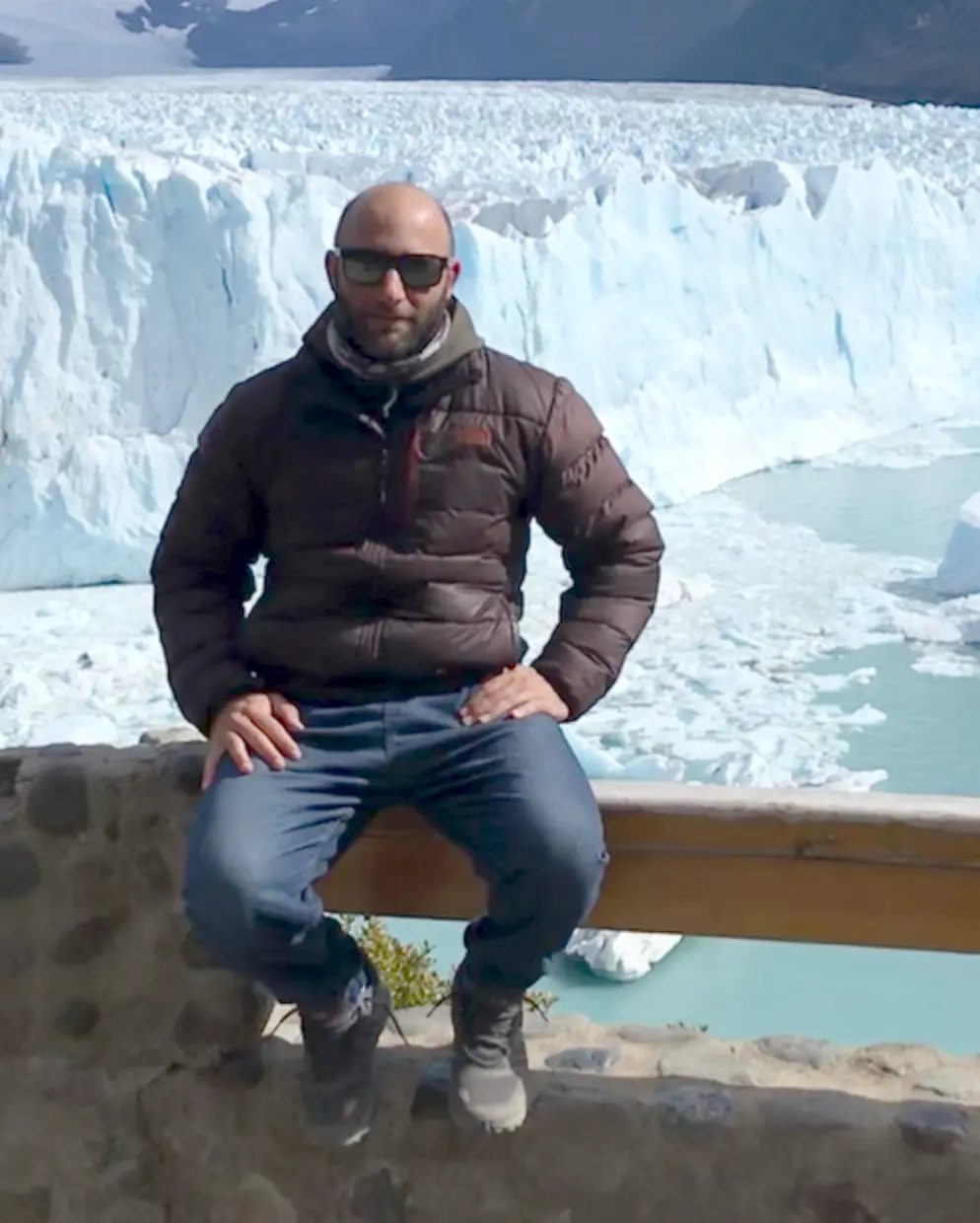
J'ai commencé ma carrière professionnelle dans le monde du voyage en 2003, lorsque j'ai obtenu mon diplôme à Esuela La Suisse à Buenos Aires, mais ma passion pour le voyage remonte à mon enfance, lorsque j'ai commencé petit à petit à développer mon esprit d'aventure et mon amour de la nature.
Je suis passée par différentes entreprises de voyage avant de créer la mienne en 2008. Des expériences qui m'ont permis d'apprendre à connaître les voyageurs, les attentes des différents profils et d'apprendre à connaître l'Argentine et la région comme ma poche.
En créant Argentina Pura, mon plus grand désir est de pouvoir collaborer aux rêves d'autres personnes, d'apporter ma contribution à la transformation du tourisme en une activité véritablement durable qui collabore au développement des localités d'origine et favorise en même temps leur croissance économique.
Argentina Pura est la combinaison de la créativité, de la responsabilité et de la maturité dans mon monde de voyage.

0 Commentaire