



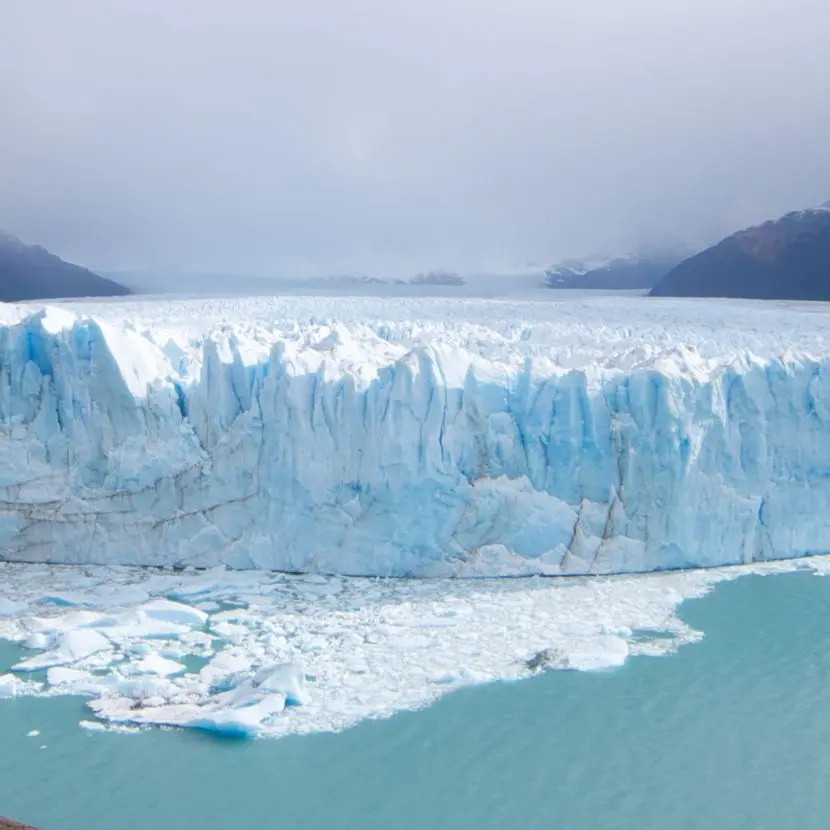

è l'altra. Il versante argentino ti porta sull'acqua e sopra di essa, su passerelle che arrivano fino alla gola delle cascate. Il versante brasiliano ti offre il panorama in un unico sguardo. Due versanti, due giorni, e per il secondo è necessario un controllo del passaporto che spesso si dimentica di mettere in conto.
The hard part is the next question, and almost nothing written about the country answers it. How many days does each of those actually take, once you count the flight in, the flight out, and the day the weather takes back?
That number is what turns a list of places to visit in Argentina into a trip that works. It is also the number we can be precise about, because it is written into our own catalogue: each region is sold as a minimum stay, and that minimum is not a marketing choice, it is what the ground demands.
So this is a list of things to do in Argentina with the days attached. When you have the shape of it, our argentina itinerary 10 days guide puts the pieces in an order that flies.
What each region actually asks of you
These are the shortest versions we sell of each region, with their starting price per person sharing. Not a recommendation to take the short version, a floor: below this, the region does not repay the flight.
| Regione | Shortest we sell | Da | What the days are for |
|---|---|---|---|
| Bariloche and the lakes | 4 giorni | 646 € | Two full days of viewpoints and water, one of arrival |
| Mendoza | 4 giorni | 875 € | Two vineyard days, one in the mountains |
| Ushuaia | 4 giorni | 1.111 € | Beagle Channel, Tierra del Fuego park, weather margin |
| El Calafate | 4 giorni | 1.415 € | Perito Moreno, one more glacier day, the flight |
| Iguazu | 3 giorni | 1.437 € | Argentine side, Brazilian side, in and out |
Three things fall out of that table that a list of highlights cannot tell you.
Four days is the unit, not three. Only Iguazu works in three, and it works because both sides of the falls can be walked in a day each. The rest need a day for arriving, two for the thing itself, and a fourth that is really insurance against wind, rain, or a cancelled boat.
The price per day and the fame of the place move together, and it is about beds, not about beauty. Bariloche is a developed town with thousands of rooms, so four days start at 646 €. Iguazu is a small town beside a national park with limited good accommodation, so three days start higher than Bariloche’s four. That gap is not quality, it is supply.
Salta and the northwest sit outside the pattern. The shortest version we sell is six days, because the distances between the Calchaqui valleys, the salt flats, and the Quebrada de Humahuaca are driving distances, not day-trip distances. It is the region most often squeezed into a plan that has no room for it.
What the four day floor is actually made of
It is worth pulling that fourth day apart, because it is the one people delete first and the one that decides whether the trip works.
Day one is arrival, and it is not a day. The internal flight lands in the afternoon on most routes, and by the time you have reached the hotel there is an evening left rather than a day. Planning an excursion for it is how people start a region tired.
Days two and three are the region. The glacier and a second glacier day. The Beagle Channel and the national park. Two vineyards and the mountain road. This is the part the brochure is selling.
Day four is the margin, and in the south it is not optional. Boats on the Beagle Channel and at Perito Moreno are cancelled for wind with no notice, roads in the Andes close for snow into November, and a light aircraft to a viewpoint waits for cloud. A four day stay with a spare afternoon absorbs one of those without losing the reason you came. A three day stay does not.
The exception is Iguazu, and only because the falls are walkable in almost any weather. Rain there changes the photographs rather than the plan.
Buenos Aires does not need days, it needs evenings
The capital is where most trips start and it is the one place on the list that does not follow the four day rule.
You can see the essentials in two days: San Telmo and the Sunday market, Recoleta, the Colon, a tango show that is a show rather than a tourist trap. What Buenos Aires needs is not more daylight but a couple of proper nights, because the city runs late and the good part of it happens after nine.
The practical consequence is that Buenos Aires is the cheapest place in the country to absorb a spare day. If your route has slack, put it here rather than in a region where the slack costs a hotel night at Patagonian prices.
The glacier and the falls are the two that justify a flight on their own
If the trip is short and the list has to shrink, these two survive.
Perito Moreno is the one glacier in the world you can watch from a boardwalk without a guide, a rope, or a helicopter. It is 80 kilometres from El Calafate on a paved road, the walkways are graded and railed, and the ice calves while you stand there. Our ten day Patagonia route treats it as the anchor of the south, and our guide to destinations after sixty explains why it is the easiest great day in the country.
Iguazu is the other. The Argentine side puts you on the water and above it, on catwalks that reach the throat of the falls. The Brazilian side gives you the panorama in one look. Two sides, two days, and the second one needs a passport check that people forget to plan for.
Cose da fare in Argentina: quanti giorni occorrono per visitare ogni regione.

The regions that repay more time than people give them
Three of them, and they share a trait: the reward is spread out rather than concentrated in one sight.
Salta and the northwest. Ochre valleys, cactus country, villages at altitude, and the Tren a las Nubes if the schedule cooperates. Six days is the honest minimum and it is the region we most often see cut to three, which turns a landscape into a series of car journeys. Our six day Salta and valleys route is what that looks like done properly.
The Lake District around Bariloche. Most of the good viewpoints are reached by road rather than on foot, which makes it the most forgiving region in the country for a mixed group or an unhurried pace.
Mendoza. Two vineyard days is enough for the wine and not enough for the Andes behind it. The third day, up towards Aconcagua, is the one that turns a tasting trip into a landscape. It is also the cheapest way to add a mountain range to a trip that is otherwise about cities and water.
There is a pattern in those three. What they share is that the good part is the ground between the sights rather than the sights themselves, and ground takes hours. A region built around one landmark survives being rushed. A region built around a valley does not.
What you can leave out without regret
Guides rarely write this section, so here it is.
Penisola Valdés is extraordinary between June and December, when the southern right whales are calving, and it is a long way to go for a coastline outside that window. Check the dates before you commit two days and a flight.
The Tren a las Nubes runs on a limited schedule and takes most of a day for a viaduct. Worth it if trains are your thing, easy to skip if they are not.
El Chalten deserves its reputation and it is a trekking base. If your group is not walking four to six hours a day, the town itself will not hold you.
Antartide is not an add-on. It leaves from Ushuaia on a fixed date and takes eleven days, which we set out in our Patagonia and Antarctica itinerary. It belongs in a different trip, not at the end of this one.
Cordoba and the central sierras are where Argentines go on holiday, which is a recommendation of a kind. For a visitor with twelve days and a long flight behind them, it competes badly with the north and the south.
None of these are bad places. They are places that lose a straight comparison against what else the same two days could buy you, and a list that gives them equal billing is not helping you choose.
Turning a list of things to do in Argentina into a trip
Take the table, add up the regions you want, and add one day for each region change. That total is your trip length, and it is usually longer than the fortnight people arrive with.
When it comes out too long, the honest move is to cut a region rather than to shorten each one. Three regions at four days each beats five regions at two, because the two day version of anywhere in Argentina is mostly airports.
If you tell us which of these matter to you and how many days you actually have, we will tell you which combination flies and which one only works on paper. It is the conversation we have most weeks, and the answer is usually two regions plus Buenos Aires rather than the four people hope for.
va oltre la semplice indicazione dei giorni: spiega come viene scelta la città in base al tema e cosa si ottiene con un soggiorno di tre, quattro e cinque giorni. is Argentina safe to visit, with what the advisories name and what actually goes wrong.
If Buenos Aires is the region you are weighing up, our guide to things to do in Buenos Aires goes further than the days: it sets out how the city is chosen by theme, and what three, four and five days each buy you.
Ho iniziato la mia carriera professionale nel mondo dei viaggi nel 2003, dove mi sono laureata all'Esuela La Suisse di Buenos Aires, ma la mia passione per i viaggi nasce fin dall'infanzia, quando ho iniziato poco a poco a sviluppare il mio spirito di avventura e l'amore per la natura.
Sono passata attraverso diverse compagnie di viaggio prima di creare la mia nel 2008. Esperienze che mi hanno permesso di imparare a conoscere i viaggiatori, le aspettative che i diversi profili hanno e di conoscere l'Argentina e la regione come le mie tasche.
Creando Argentina Pura, il mio desiderio più grande è quello di poter collaborare con i sogni di altre persone, per dare il mio contributo alla trasformazione del turismo in un'attività veramente sostenibile che collabora con lo sviluppo delle località autoctone e allo stesso tempo ne promuove la crescita economica.
Argentina Pura è la combinazione di creatività, responsabilità e maturità nel mio mondo di viaggi.

0 Commenti