



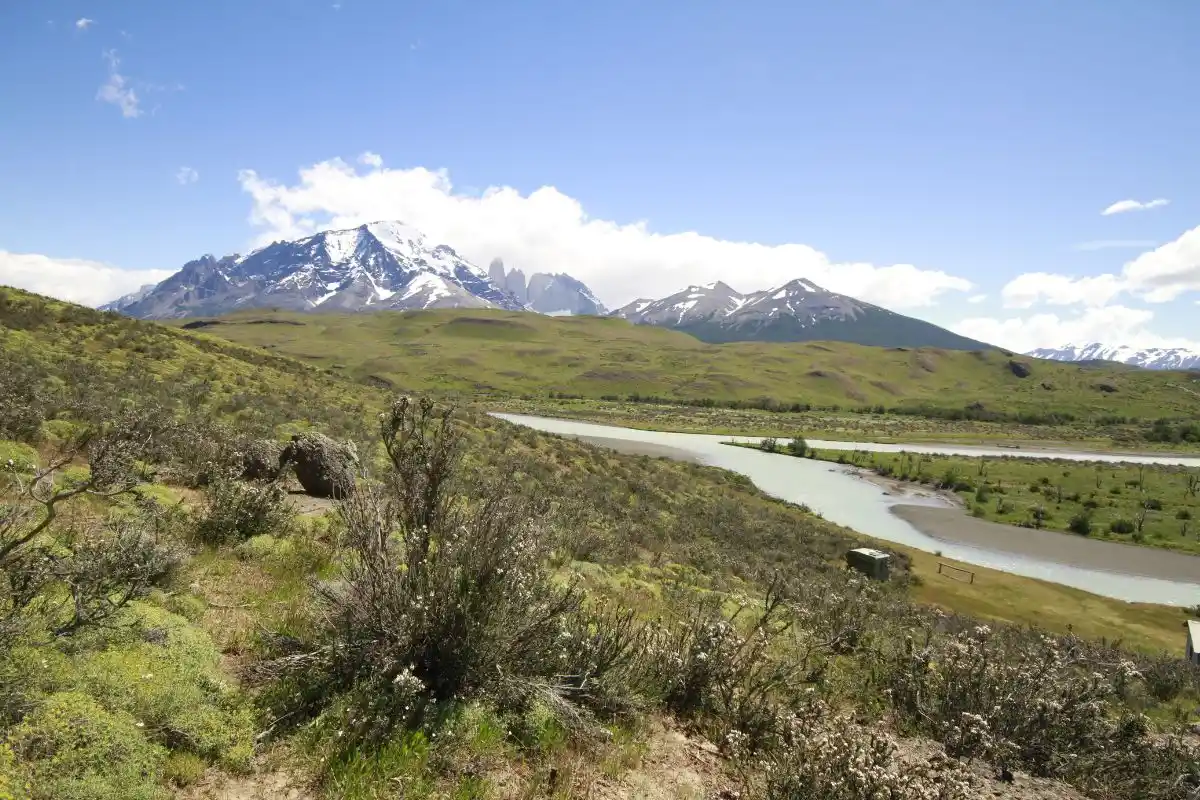
Wat je ervoor krijgt.
En toch doet een groot deel van de mensen die van plan waren de tocht te maken, deze uiteindelijk niet, of kiest voor een verkorte versie die ze eigenlijk niet wilden. De reden heeft niets te maken met conditie. Het komt doordat de W-trek al maanden van tevoren wordt geboekt, via drie afzonderlijke verkooppunten van drie verschillende organisaties, die elk op hun eigen datum de verkoop openen. Als je de termijnen mist, is de route er nog wel, maar zijn de slaapplaatsen op. Deze gids gaat over dat deel, omdat dat het deel is dat bepaalt of de reis doorgaat. Voor informatie over het park zelf, met openingstijden, tickets en ingangen, zie onze Bezoekersgids voor Torres del Paine.
Wat de W-trektocht in Torres del Paine nu eigenlijk inhoudt
Aan één oever liggen drie valleien, en op een kaart vormen ze samen de letter W. Van west naar oost: de Grey-gletsjerarm, de French valley in het midden, en de Ascencio-vallei die uitmondt aan de voet van de torens. Je loopt elke arm in, loopt er weer uit, en verplaatst je langs de voet van de W tussen beide torens.
De meeste mensen doen er vijf dagen en vier nachten over. De dagelijkse afstanden variëren van ongeveer 11 kilometer op de kortste dag tot zo’n 18 kilometer op de langste, over rotsachtig en oneffen terrein, en de Patagonische wind kan een vlak stuk zonder enige waarschuwing in zware inspanning veranderen. Je kunt niet zomaar overal kamperen: je slaapt op vaste punten, en die punten vormen het hele probleem.
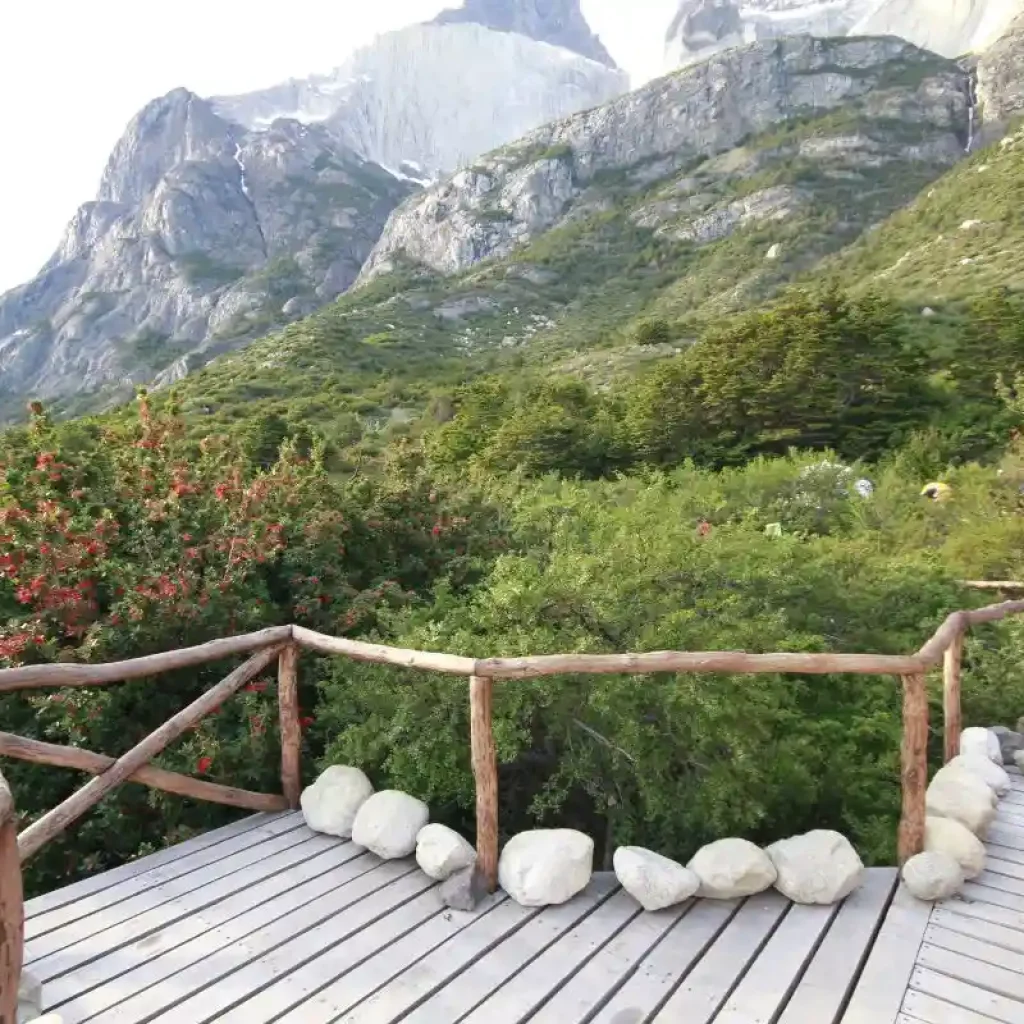
Wij organiseren de W-trek, zowel met gids als op eigen houtje, met overnachtingen in berghutten of op de camping, en kortere reizen vanuit Puerto Natales. Bekijk onze rondreizen door Torres del Paine.
De route wordt bij het afrekenen bepaald, niet bij het begin van het wandelpad
Torres del Paine is ontstaan uit particuliere estancias, en het land is aan het park toegewezen zonder dat de overnachtingsmogelijkheden daarbij inbegrepen waren. Het resultaat is een park waar het wandelpad eigendom is van de staat, maar de overnachtingsmogelijkheden langs het pad niet. Twee particuliere bedrijven hebben de concessies, grofweg verdeeld over het westen en het oosten, en de overheidsinstantie verkoopt het ticket waarmee je door de poort mag.
| Van wie is het bed? | Waar op de W | Waar je het kunt boeken |
|---|---|---|
| Verticale Patagonië | Paine Grande en Grey, de westelijke helft | vertice.travel |
| Las Torres Patagonia, formerly Fantastico Sur | Chileno, Frances, Cuernos en Central, de oostelijke helft | lastorres.com |
| CONAF, het staatsbosbeheer | Toegang tot het park en de gratis kampeerplaatsen | pasesparques.cl |
Drie portalen, drie accounts, drie betalingsstappen en geen enkel winkelmandje waarin een W-trektocht past. In reisgidsen die vóór 2025 zijn geschreven, word je doorverwezen naar een boekingspagina van Fantastico Sur, die inmiddels is opgegaan in Las Torres Patagonia. Dit is slechts één van de vele kleine manieren waarop een verouderde reisgids je een overnachting kan kosten.
Het is de moeite waard om vóór de openingsdag te weten wat er bij het reserveren wordt gevraagd, want op de openingsdag zijn de populaire avonden binnen enkele minuten uitverkocht. Elk boekingsplatform vereist dat er van tevoren een account wordt aangemaakt, dat de volledige naam en het paspoortnummer van elke deelnemer precies zo worden opgegeven als op het document staan, en dat er direct wordt betaald. Bij de meeste boekingen kunnen namen achteraf niet meer worden gewijzigd, wat betekent dat een groep van vier personen vier sets paspoortgegevens bij de hand moet hebben voordat de verkoop begint, niet daarna.
De terugbetalingsvoorwaarden verschillen per touroperator en worden strenger naarmate de datum nadert; de overnachtingen die je boekt, zijn dus eerder een definitieve reservering dan een voorlopige plaatshouder. Boek de trektocht voordat je de vluchten boekt, niet daarna.
Sinds mei 2026 is ook de toegang tot het park zelf veranderd. CONAF is overgestapt van een standaardpas voor meerdere dagen naar tickets die gekoppeld zijn aan het gedeelte dat je van plan bent te bewandelen, en die vooraf online worden verkocht. Bij het rangerstation worden geen tickets verkocht, dus je moet het ticket al bij je hebben voordat je aankomt; je kunt het niet bij de poort regelen.
De volgorde waarin je moet reserveren
De volgorde is belangrijk, en het is niet de volgorde die de meeste mensen proberen.
- Vertice first. Paine Grande en Grey zijn de goedkopere overnachtingsplaatsen langs de route en die zijn het snelst volgeboekt. Het zijn ook de twee plaatsen die het westelijke uiteinde van je reisschema markeren, dus zolang je daar geen reservering voor hebt, weet je niet welke vorm de W zal aannemen die je gaat lopen.
- Las Torres second. De locaties in het oosten bieden meer capaciteit en een breder prijsaanbod, waardoor je wat meer speelruimte hebt zodra de overnachtingen in het westen vastliggen.
- CONAF entry last. Nu het ticket aan een bepaald traject is gekoppeld, betekent het kopen ervan voordat je avonden zijn bevestigd dat je een ticket koopt voor een route die je uiteindelijk misschien niet zult lopen.
De openingsdata vertonen dezelfde asymmetrie. De particuliere exploitanten vullen het komende seizoen rond de zuidelijke herfst, in de maanden rond mei en juni, terwijl CONAF later opengaat, vaak pas in september of oktober. Er is dus een lange periode in het jaar waarin je elk bed op de trektocht kunt reserveren en toch nog moet wachten op het ticket dat je toegang geeft. Die kloof is normaal. Het lijkt een probleem, maar dat is het niet.
De bedden bepalen je route, niet andersom
De meeste gidsen voor de W-trek beginnen met de vraag of je van oost naar west of van west naar oost moet lopen, alsof het een kwestie van smaak is. In de praktijk komt het erop neer wat er nog beschikbaar was toen je boekte.
Als je van west naar oost loopt, begin je bij Paine Grande, waar je van de catamaran afstapt, ga je vroeg naar Grey en de gletsjer, en sluit je af met de torens, waardoor de tocht een opklimmende afsluiting krijgt. Als je van oost naar west loopt, bezoek je de torens op dag één, wanneer je benen nog fris zijn en het licht bij zonsopgang het makkelijkst in te plannen is, en eindig je bij de gletsjer. Beide routes zijn goed. Wat de doorslag geeft, is welke combinatie van overnachtingen je daadwerkelijk kunt samenstellen via twee boekingssystemen.
Daarom leidt het vaak tot teleurstelling als je eerst je droomreisschema uitstippelt en daarna op zoek gaat naar accommodaties. De beste volgorde is juist omgekeerd: kijk eerst welke combinaties van overnachtingen er mogelijk zijn, en kies vervolgens de wandeling die daarbij past. Als je meer informatie wilt over de twee uiteinden van de route voordat je een keuze maakt, hebben we daarover het volgende geschreven: de grijze gletsjerarm en hoe een avond in Refugio Grey eruitziet separately.
De ene avond die bepalend is voor je foto van de torens
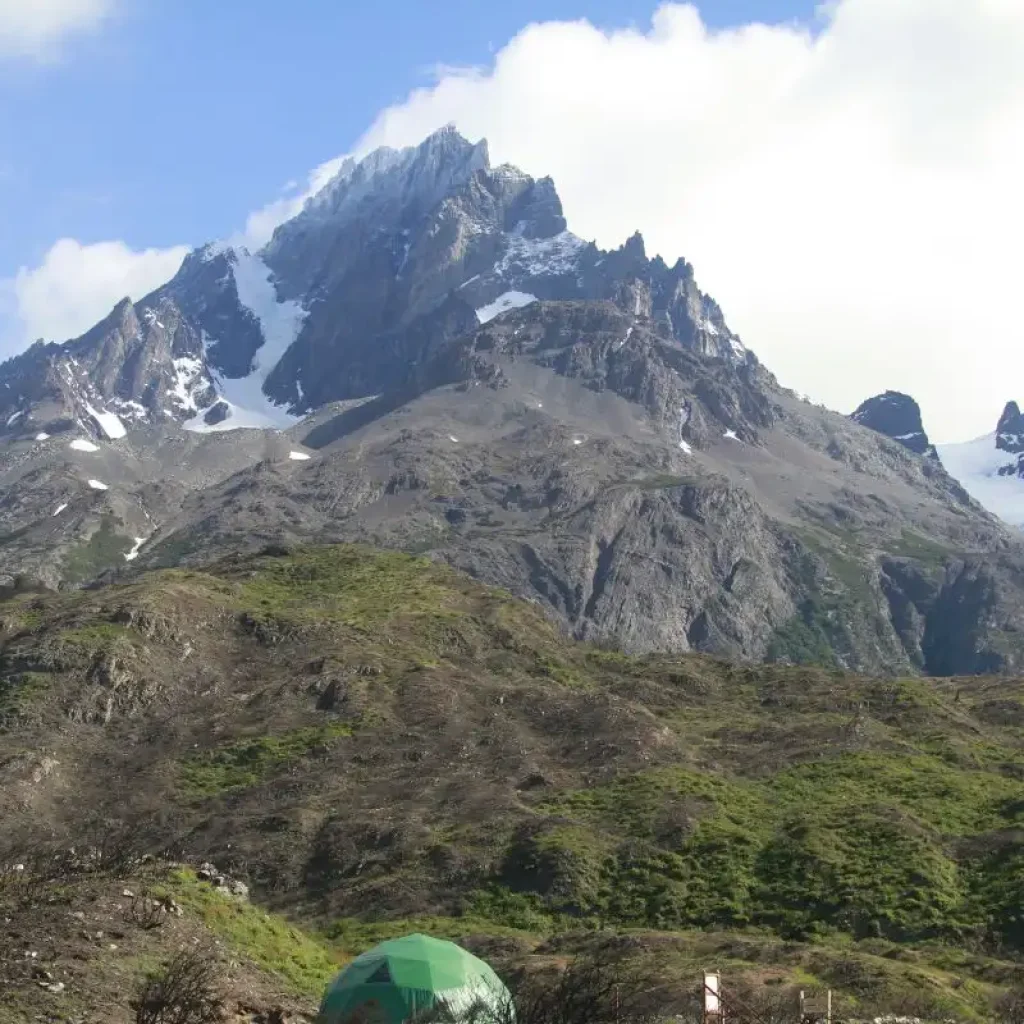
Het beeld dat de meeste mensen hierheen trekt, zijn de drie granieten torens die bij zonsopgang rood verlicht worden. Dit duurt maar een paar minuten en is afhankelijk van de bewolking, dus we kunnen het niet garanderen. Wat we wel kunnen regelen, is dat u op de juiste plek staat om het te zien.
De voet van de torens ligt bovenaan de Ascencio-vallei. Vanaf de ingang van het park bij Central is het een klim van ongeveer vier uur, waardoor je bij zonsopgang ergens rond twee uur ’s nachts aankomt, met een hoofdlamp op. Vanuit Chileno, ongeveer halverwege de vallei, is het nog maar een wandeling van ongeveer negentig minuten om daar aan te komen. Juist dat ene verschil is de reden waarom de slaapplaatsen in Chileno het meest begeerd zijn op de hele route, en waarom mensen die te laat boeken uiteindelijk de torens als een lange dagwandeling in het vlakke middaglicht moeten afleggen.
Als de zonsopgang bij de torens het hoogtepunt van de reis is, boek dan Chileno als je eerste overnachting en plan de rest van je verblijf in het W-hotel daar omheen. Als het eerder een extraatje is dan het hoogtepunt, boek het dan als laatste en besteed je geduld in plaats daarvan aan de overnachtingen in het westelijke deel.
Schuilplaats, koepel of tent
Hoe je slaapt, bepaalt wat je meeneemt, wat je boekt en hoeveel speelruimte je hebt als het weer omslaat. Het is de eerste beslissing, niet de laatste.
| Hoe je slaapt | Wat je ervoor krijgt | Wat het u kost |
|---|---|---|
| W Trek Torres del Paine: hoe je het kunt boeken voordat alle bedden volgeboekt zijn | Een lichte rugzak, warm eten, een droge kamer en een droogrek na een regenachtige dag | De hoogste prijs, en de bedden die het eerst uitverkocht raken |
| Volledig uitgeruste kampeerplaats of koepel | De tent, het slaapmatje en vaak ook maaltijden zijn al ter plaatse, dus je hoeft alleen kleding mee te nemen en verder bijna niets | Er zijn minder locaties die dit aanbieden, en het verandert met de seizoenen mee |
| Je eigen tent en kooktoestel | De laagste prijs en het grootste aanbod aan overnachtingen | Een rugzak van bijna 15 kilo en het volle gewicht van het Patagonische weer |
Die drie kolommen geven ook min of meer de drie manieren weer waarop je de trektocht bij ons kunt boeken: a begeleide W-route met overnachtingen in berghutten, dezelfde route op eigen houtje, met voor u gereserveerde overnachtingsplaatsen, or op eigen houtje met kamperen. Het praktische verschil zit hem niet in het wandelen, want dat is precies hetzelfde. Het gaat erom wie er op de openingsdag voor de drie poorten zit, en wie het probleem oplost als een refugio in februari wordt geannuleerd.
Er is nog een vierde manier om te overnachten, die buiten de eigenlijke trektocht valt. EcoCamp en de hotels in en rond het park zodat je dezelfde valleien kunt verkennen als tijdens dagreizen en elke avond weer in hetzelfde bed kunt slapen. Dat is een andere reis met dezelfde uitzichten, en voor heel wat reizigers is dat de betere keuze.
Wanneer is het beste moment om te gaan, en wanneer moet je boeken?
Het seizoen loopt van ongeveer oktober tot april. Van december tot februari zijn de dagen het langst en de temperaturen het meest stabiel, maar er waait dan ook de hardste wind en de berghutten zitten het volst. In oktober, november, maart en april kun je rekenen op rustigere wandelpaden en meer beschikbaarheid, maar dan wel ten koste van kortere dagen en grotere schommelingen in het weer. Van mei tot september beperkt het park de toegang tot wandelaars met een gecertificeerde gids en is een groot deel van de infrastructuur gesloten.
De doorlooptijden voor boekingen volgen dezelfde curve. Voor de periode december tot en met februari is zes tot acht maanden van tevoren een realistische streeftermijn. Voor de tussenseizoenmaanden geldt vier tot vijf maanden. Voor april is twee maanden vaak voldoende. Dit zijn geen veiligheidsmarges die zijn bedacht om je op te jagen: het zijn grofweg de termijnen waarbinnen de populaire combinaties niet meer beschikbaar zijn.
Our wider gids voor de beste tijd om Patagonië te bezoeken legt uit hoe dit tijdvenster aansluit bij de Argentijnse kant, wat van belang is als de tocht slechts een onderdeel is van een langere route en niet de hele reis op zich.
Wat te doen als de nachten die je zo graag wilde, voorbij zijn
Dit gebeurt zo vaak dat het een plan verdient in plaats van een schouderophalen. Er zijn drie manieren om hieruit te komen, in de volgorde waarin we ze zouden proberen:
- Draai de richting om. De combinatie die in oost-westelijke richting niet mogelijk is, bestaat soms wel in west-oostelijke richting, omdat de twee vervoerders hun plaatsen in verschillende tempo’s uitverkopen.
- Kort maken tot de beschikbare lengte. Een tocht van drie nachten over de W-route, die langs de torens en de Franse vallei loopt, is een flinke tocht. Als je de nacht in de berghut hebt overgeslagen, kun je vanaf Paine Grande vanaf een boot het grijze gebied zien.
- Verplaats je basis naar buiten het park. Vanuit Puerto Natales kun je de torens, de kustlijn van Grey en de Salto Grande bereiken via a four day trip zonder ook maar één refugio in het park te reserveren. Je verliest de samenhang van de tocht. Je houdt het park.
Als de trektocht de reden was waarom je bent gekomen en geen van deze opties past bij jouw data, is het eerlijke antwoord vaak: kies een andere route. Het O-circuit duurt acht tot negen dagen en de tweede helft vult zich veel langzamer, en other treks across Patagonia vraag om helemaal geen bedreserveringen.
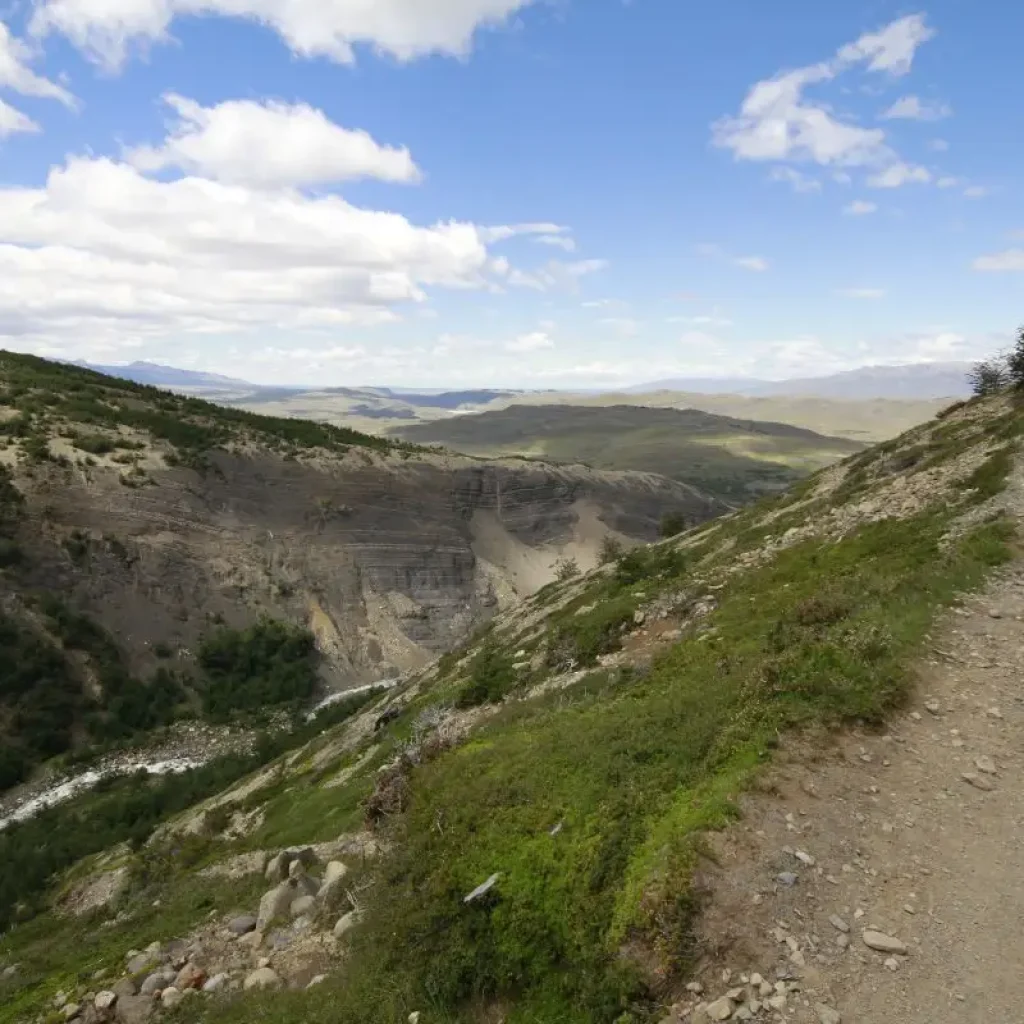
Begin met het slaapplanning
Als je één ding uit dit artikel onthoudt: begin niet met het reisschema. Begin met de kalender waarop staat wanneer wat in de verkoop gaat, reserveer eerst de avonden in het westen, en laat de route zich vanzelf ontvouwen op basis van wat je hebt weten te reserveren. Mensen die in die volgorde te werk gaan, lopen de W. Mensen die verliefd worden op een vijfdaags plan voordat ze de beschikbaarheid hebben gecontroleerd, zijn vaak de komende maanden bezig met het proberen te kopen van iets dat al in juni niet meer bestond.
Als je dat deel liever aan ons overlaat, dan is dat precies wat we doen. Geef ons je data door en laat ons weten hoe je wilt overnachten, dan zullen we je eerlijk vertellen of de trektocht in die periode nog beschikbaar is of dat je beter voor een ander soort reis kunt kiezen. Je kunt het volledige aanbod bekijken op trekking options across Patagonia, of lees in ons artikel hoe de W in een langere route past reisroutegids voor Patagonië.

Door mijn professionele achtergrond heb ik uitgebreide vaardigheden in het identificeren en karakteriseren van doelgroepen, waardoor ik de behoeften, voorkeuren en specifieke gedragingen van elk segment begrijp om effectieve strategieën te ontwerpen die bijdragen aan het succes van de communicatiedoelen van de organisatie.
Ik werk aan de creatie van digitale content en het ontwerp van verhalen voor bedrijven in de reis- en toerismesector, waarbij ik een belangrijke bijdrage lever aan de promotie van bestemmingen, diensten en exclusieve ervaringen, met een positieve impact op de merkperceptie.
Tijdens mijn loopbaan heb ik gedegen ervaring opgedaan in projectplanning en -beheer, en ik heb een passie voor onderzoek en gegevensanalyse, vooral gericht op de ontwikkeling van gebruikersgerichte producten.
Mijn ervaring omvat de ontwikkeling en implementatie van duurzame praktijken in processen, voor het bouwen van oplossingen die een positieve impact hebben op zowel sociaal als milieugebied.
Ik ben altijd toegewijd om effectieve oplossingen te ontwerpen, uitdagingen aan te pakken en bij te dragen aan de groei en ontwikkeling van teams en organisaties met een holistische en duurzame aanpak.

0 Commentaar